LP SmartSide vs James Hardie: which siding wins in Minneapolis?
I'm certified to install both, and I've put both on Twin Cities homes for the better part of two decades. LP SmartSide is engineered wood — lighter, cuts like wood, and comes in lower on total installed cost. James Hardie is fiber cement — heavier, non-combustible, and the gold standard a lot of people picture when they think premium siding. SmartSide carries a 50-year warranty; Hardie carries 30 years non-prorated. Both survive Minnesota winters. Here's the honest version of when each one's the right call.
LP SmartSide or James Hardie?
I install both LP SmartSide and James Hardie on Twin Cities homes. Here's when each wins, and what I tell customers asking which to choose.
Honest comparison
Material specs and performance
Two different materials, not the same thing in different boxes. Here's what you're actually comparing.
LP SmartSide
Engineered wood substrate
OSB with zinc borate treatment
$7–$12 per square foot
Installs in 1.5–2 weeks
1.5–2 weeks
50-year substrate warranty
50 years
ExpertFinish factory paint
15+ years
Lighter, easier to cut
Accepts paint readily
Faster install, lower labor cost
Flexes under hail instead of cracking
James Hardie
Fiber cement substrate
Portland cement and cellulose
$9–$15 per square foot
Installs in 2–3 weeks
2–3 weeks
30-year substrate warranty
30 years
ColorPlus factory paint
15+ years
Non-combustible material
Zero water absorption
Holds color through years of UV
Class A fire rating, won't burn
Honest comparison
I install both, so I'll give it to you straight
Most LP-versus-Hardie comparisons are written by a contractor who only installs one of them. I install both. We're an LP SmartSide Preferred Contractor and a James Hardie Preferred Contractor, and I've watched both hold up through January cold that makes most building materials tap out. I don't give you the answer the manufacturer wants — I give you what I've seen on the side of a house.
Why it matters
Engineered wood and fiber cement behave differently in cost, in hail, and in the freeze-thaw we get about 40 times a winter.
What you'll get
Real specs, install timelines, the warranty fine print, and which one I'd put on my own house and why.
Material breakdown
What you're actually buying
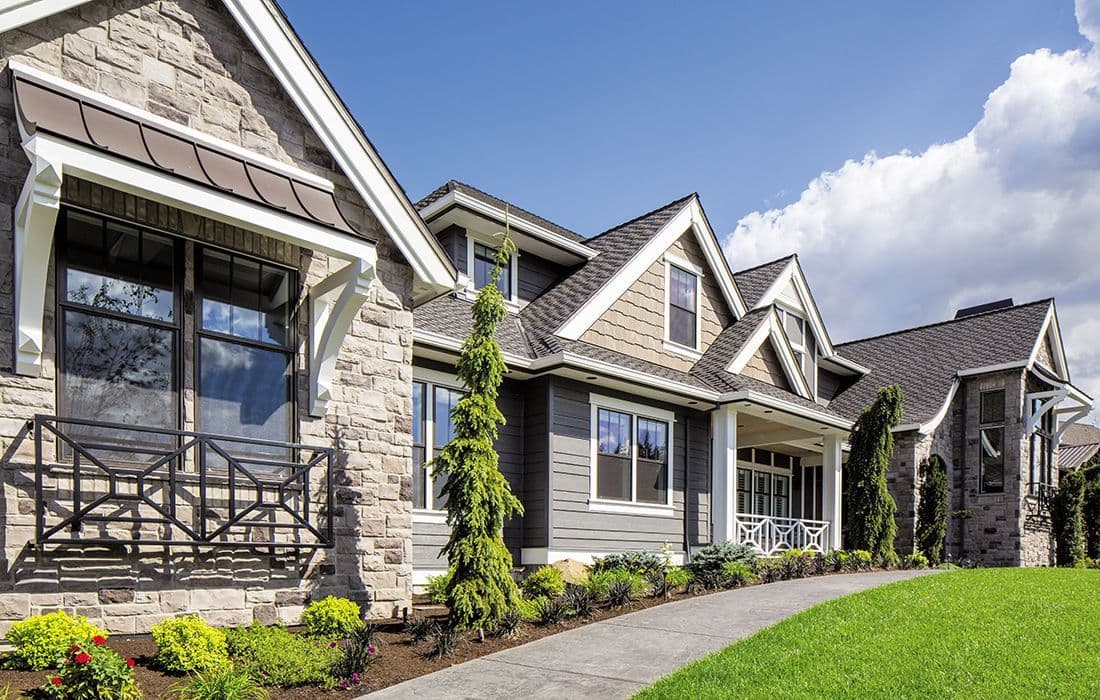
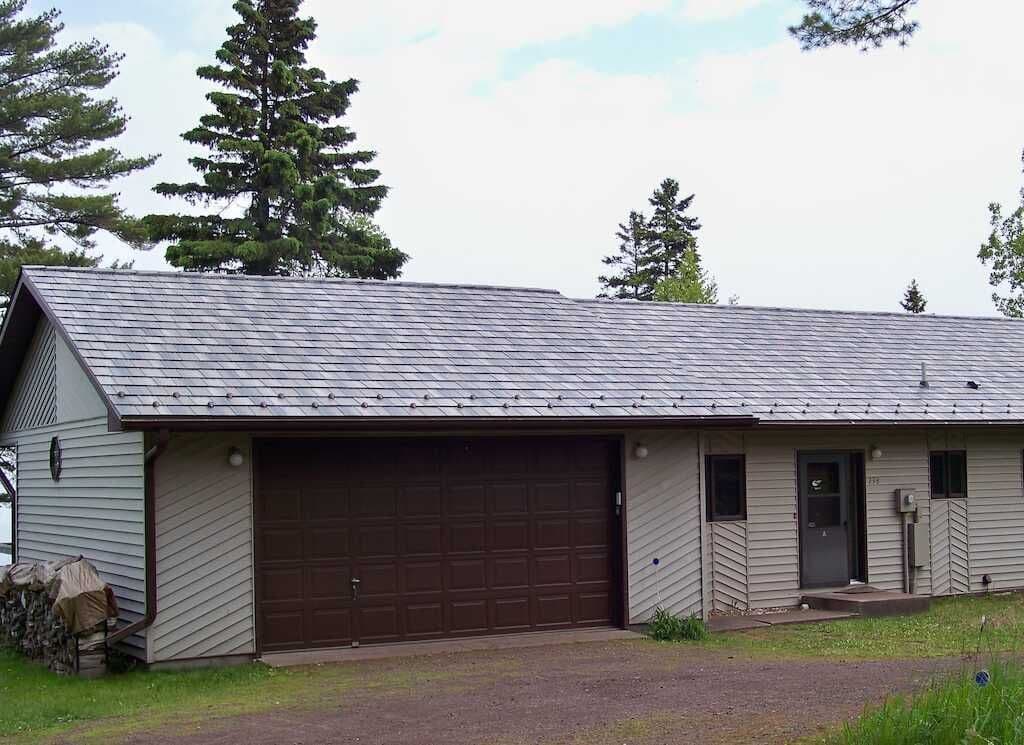
People assume these are the same product in different boxes. They're not. LP SmartSide is engineered wood; James Hardie is basically a thin concrete board shaped to look like wood. That one difference drives everything — cost, how fast we install it, how it takes a hailstone, and how your house looks in year fifteen.
LP SmartSide
OSB substrate treated with zinc borate for moisture and termite resistance, resin-bonded and pressure-formed into planks.
James Hardie
Portland cement, sand, and cellulose fibers pressed into planks. Non-combustible, absorbs zero water, doesn't expand or contract with humidity.
Cost reality
Where the price gap shows up
LP SmartSide runs $7–$12 per square foot installed. James Hardie runs $9–$15. On a full house in the Twin Cities that's roughly $20K–$55K for LP and $30K–$80K for Hardie. A chunk of the gap isn't the material — it's labor. SmartSide is lighter and cuts like wood, so it goes up faster, and on a typical home the labor savings offset most of the material difference.
Why Hardie costs more
Heavier planks, specialized cutting equipment with dust collection, slower installation labor, and higher material cost per unit.
LP SmartSide advantage
Lighter material, faster cuts, quicker installation, lower labor hours per square foot, and lower total project cost.
Installation timeline
How long your project takes
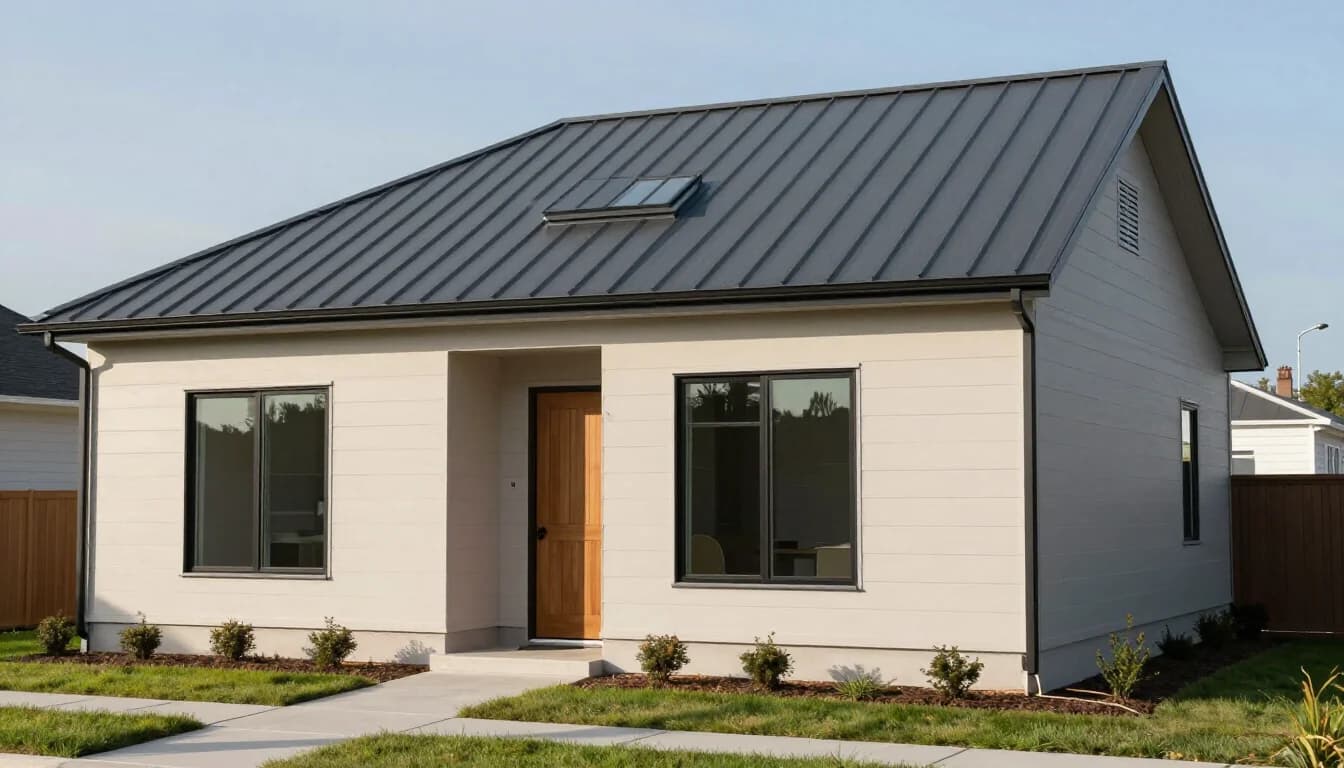
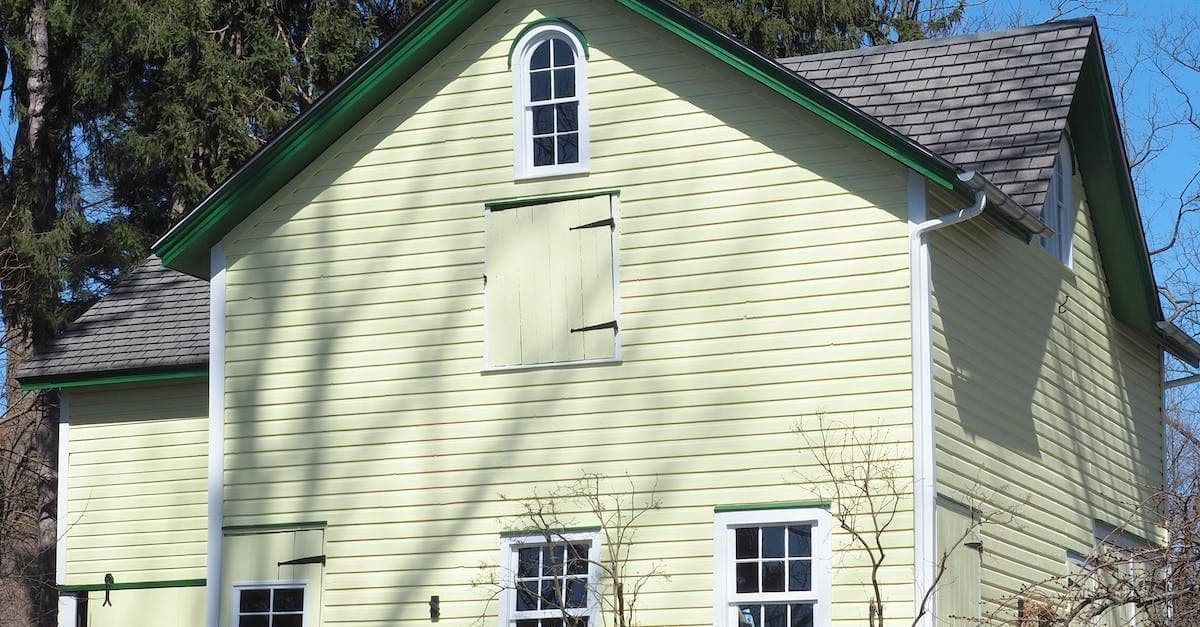
LP SmartSide typically installs in 1.5–2 weeks for a full house. James Hardie typically takes 2–3 weeks. The difference is material weight, cutting complexity, and handling care. Both timelines assume good weather and standard crew size.

LP SmartSide speed
Lighter planks, easier cuts, faster fastening, and less dust management mean quicker installation and faster project completion.

Hardie installation
Heavier planks require careful handling, fiber-cement dust collection is mandatory, cuts take longer, and crews move deliberately to avoid breakage.
Warranty and durability
What the manufacturers promise
LP SmartSide carries a 50-year limited warranty — but read the fine print, it's prorated after year 5. Hardie's is 30 years non-prorated, meaning full replacement value the whole way. So SmartSide wins on years, Hardie wins on the strength of the coverage in the first 30. Both pair a 15-year factory-paint warranty on top.
Real-world Minnesota
Both ride out freeze-thaw when they're installed right — SmartSide demands the 3/16-inch expansion gaps and moisture barriers, or it buckles. Hardie's cement doesn't drink water, so it's a little more forgiving of imperfect install.

The hail factor
We get real hailstorms here most summers. SmartSide flexes and absorbs the hit; rigid fiber cement can crack. I've pulled cracked Hardie planks off homes after a storm and found the SmartSide house down the block untouched.
Curb appeal and look
Which one looks better on the house
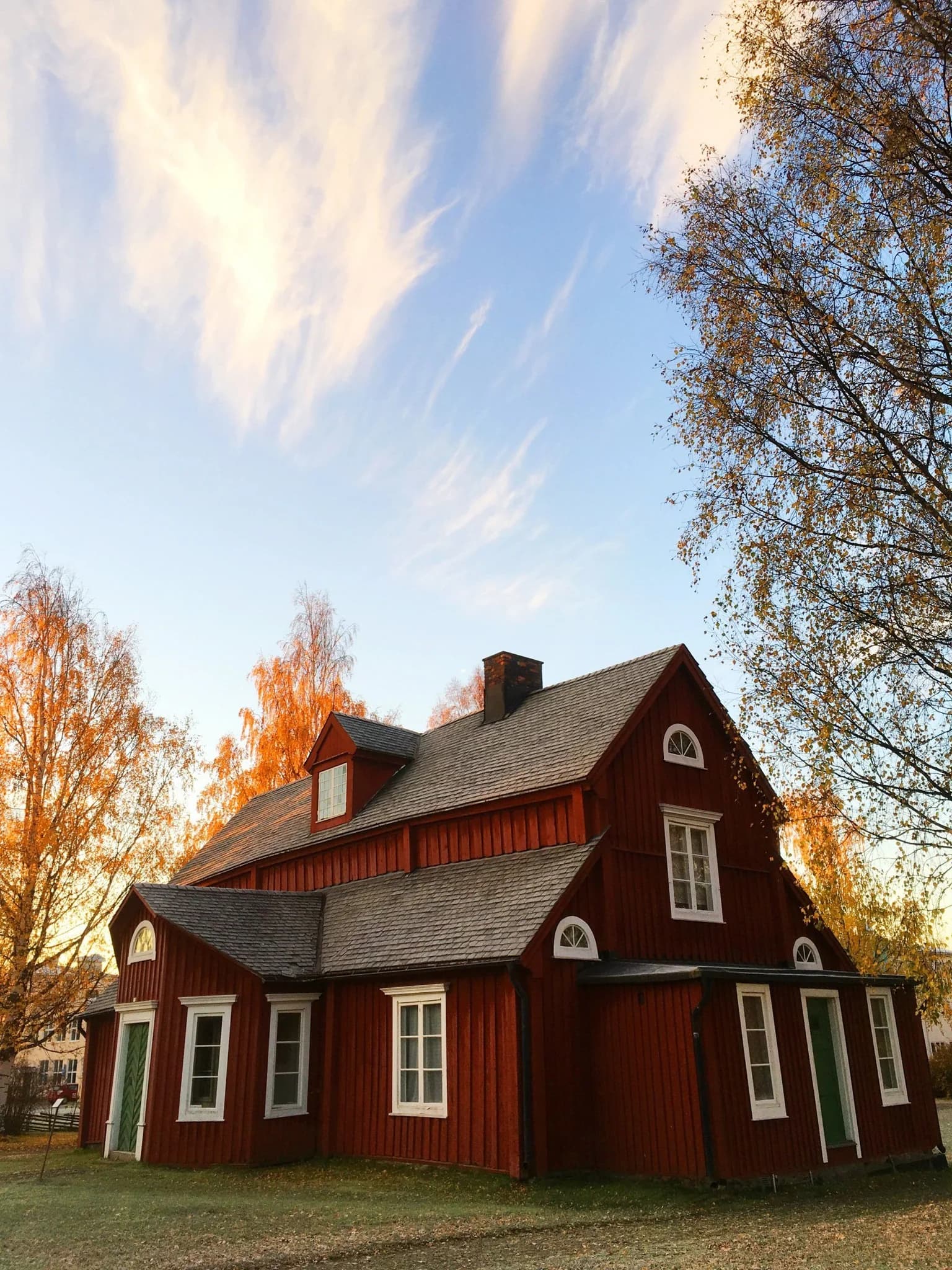
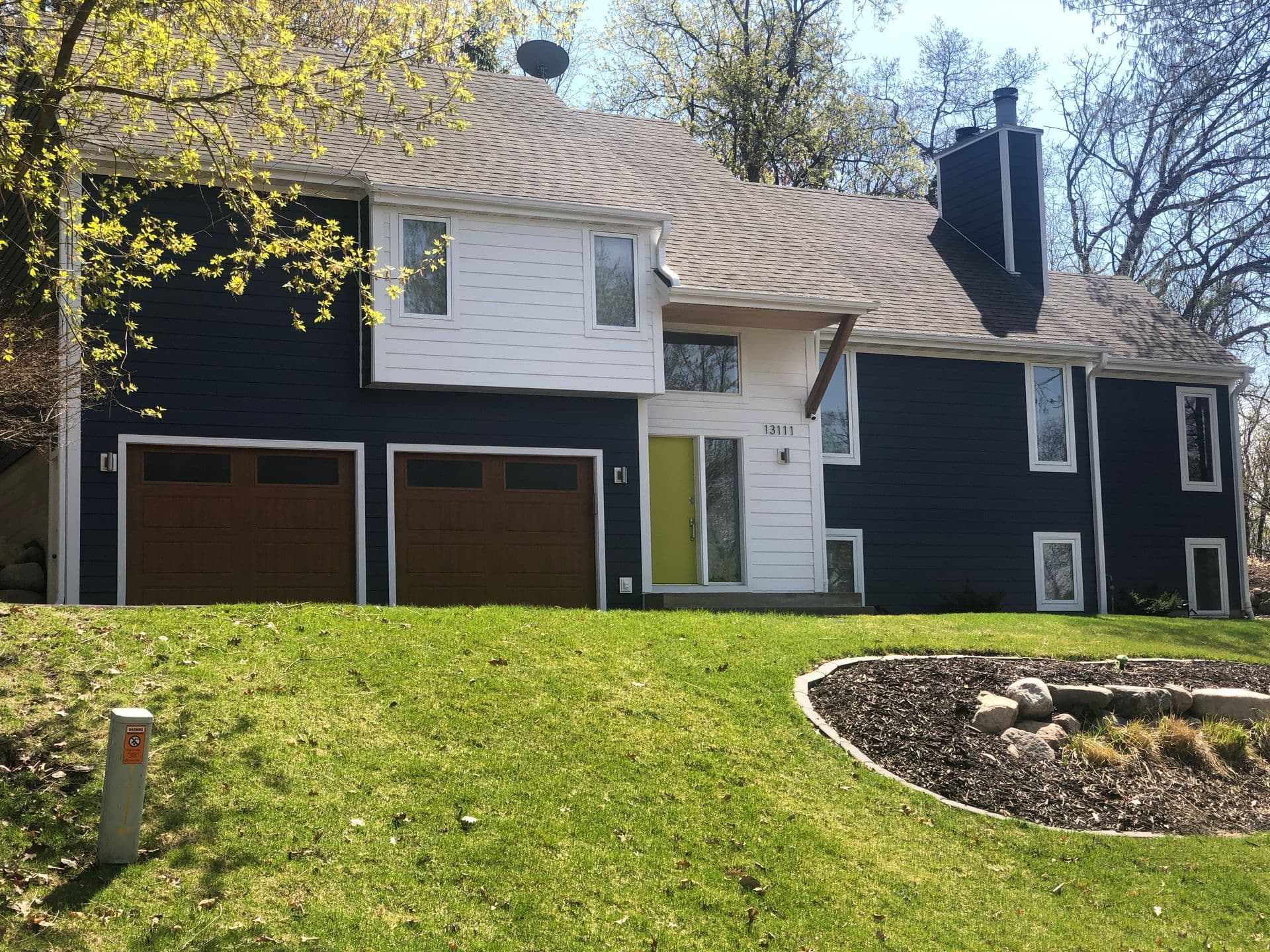
This part's subjective, but here's what I see standing on the curb. SmartSide has the more authentic wood look — the cedar grain and shadow lines read like real wood, and nickel gap is the product I recommend most for modern homes right now. Hardie's ColorPlus palette is excellent if color staying dead-consistent for decades is what you care about most.

Modern vs. classic
Clean lines and a contemporary build? SmartSide nickel gap is hard to beat. Traditional home where you want the color locked in for 20 years? That's where Hardie's ColorPlus shines.

My recommendation
I'll tell you which one I'd pick if it were my house. The best siding in the world still fails if the install is sloppy — get that right and either one protects your home for decades.
Material
LP SmartSide or fiber cement
Both materials perform well in Minnesota. The choice comes down to budget, timeline, and how long you plan to stay in your home.

LP SmartSide
Engineered wood that accepts paint readily and installs faster than fiber cement.

James Hardie
Fiber cement that doesn't absorb water and holds its color longer than engineered wood.
Real homes
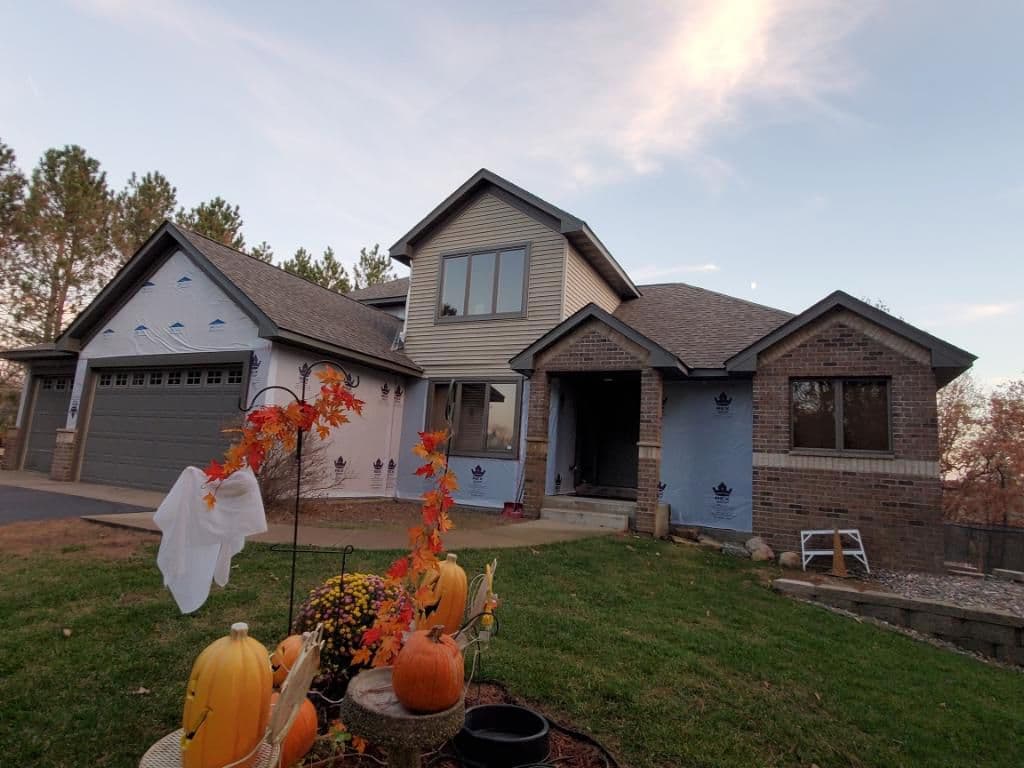
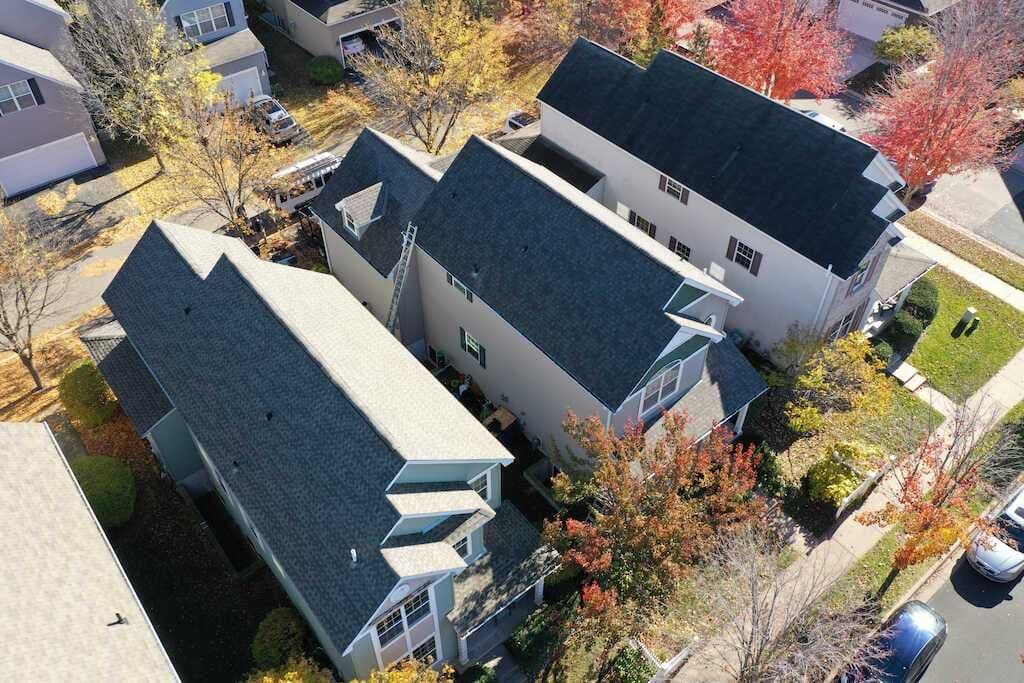
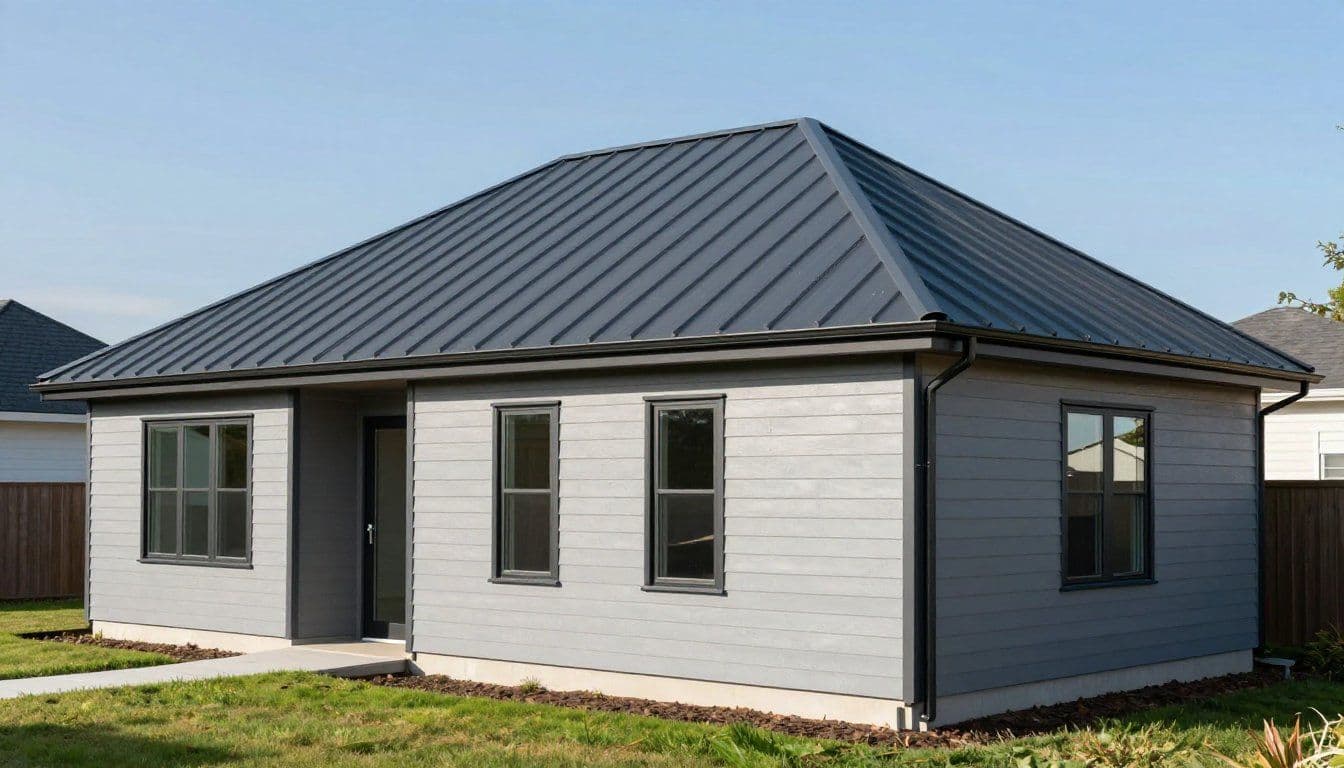
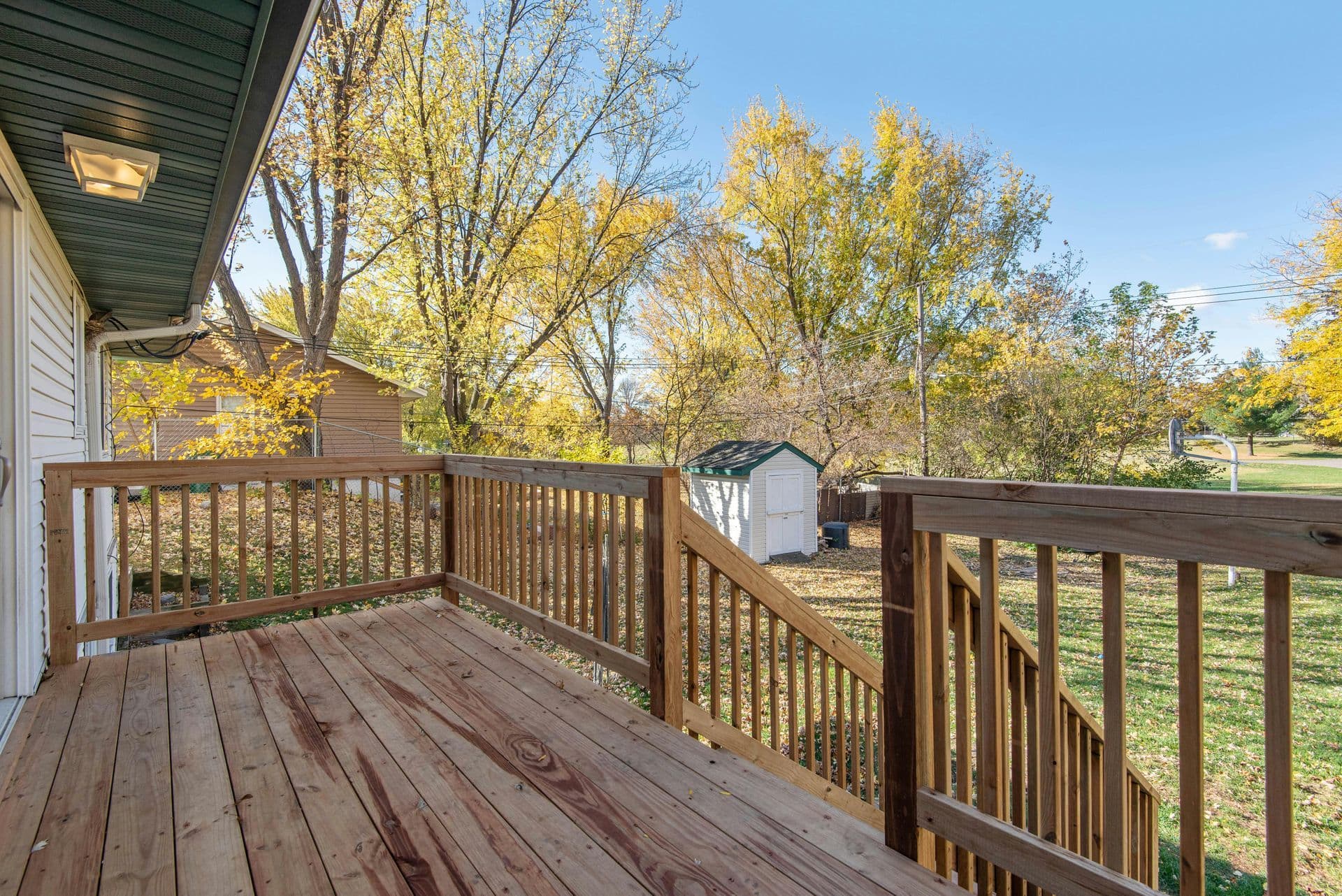
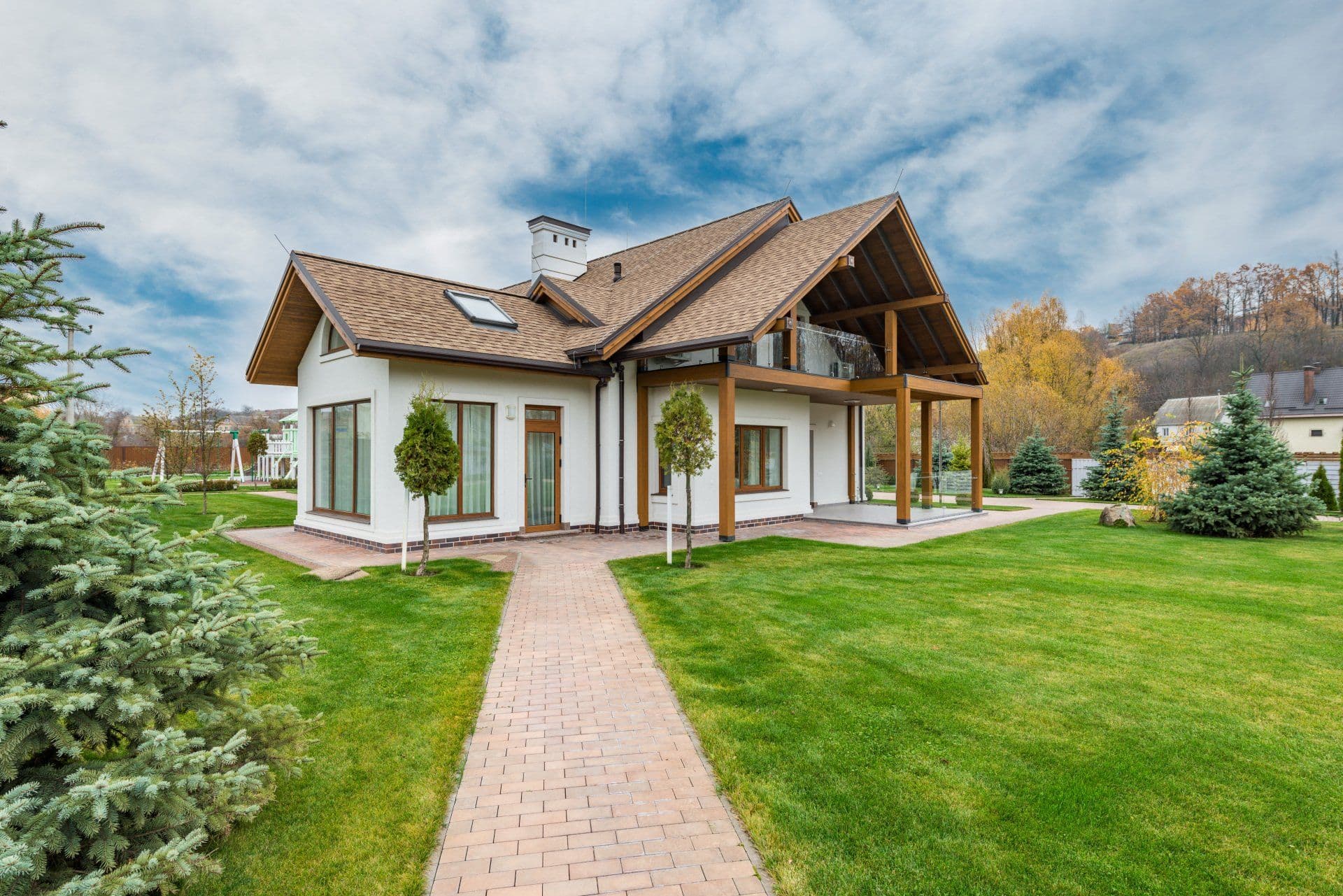
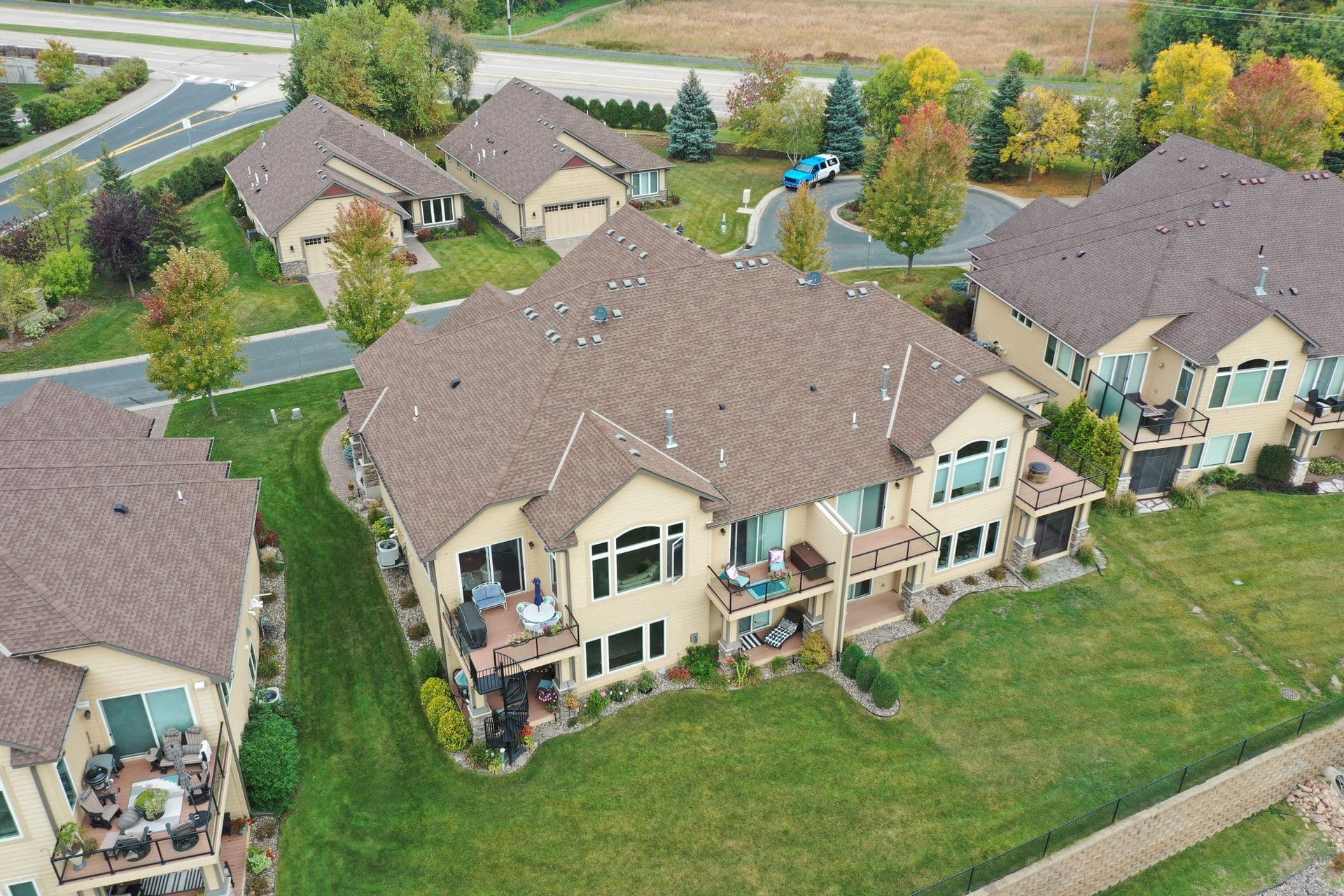
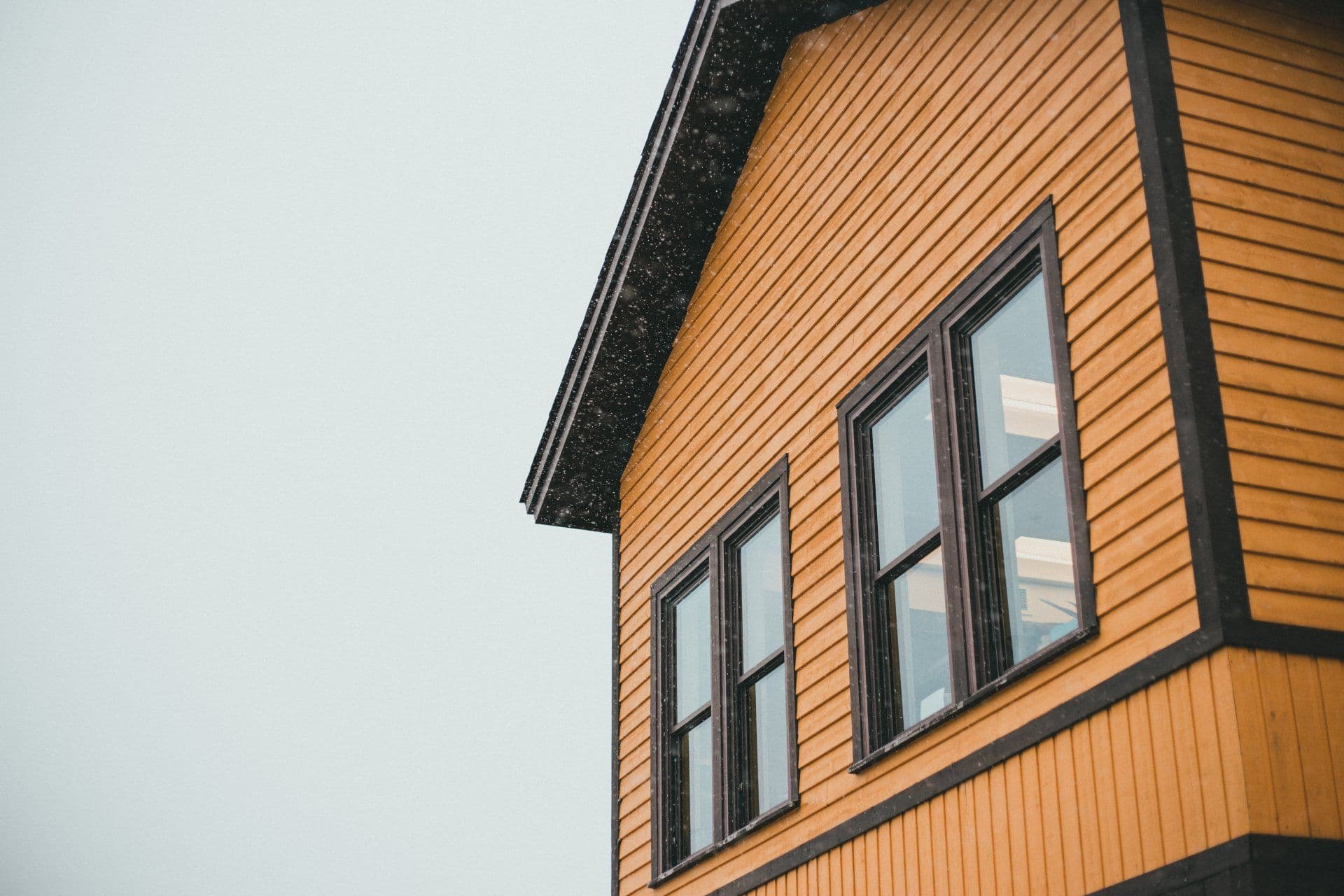
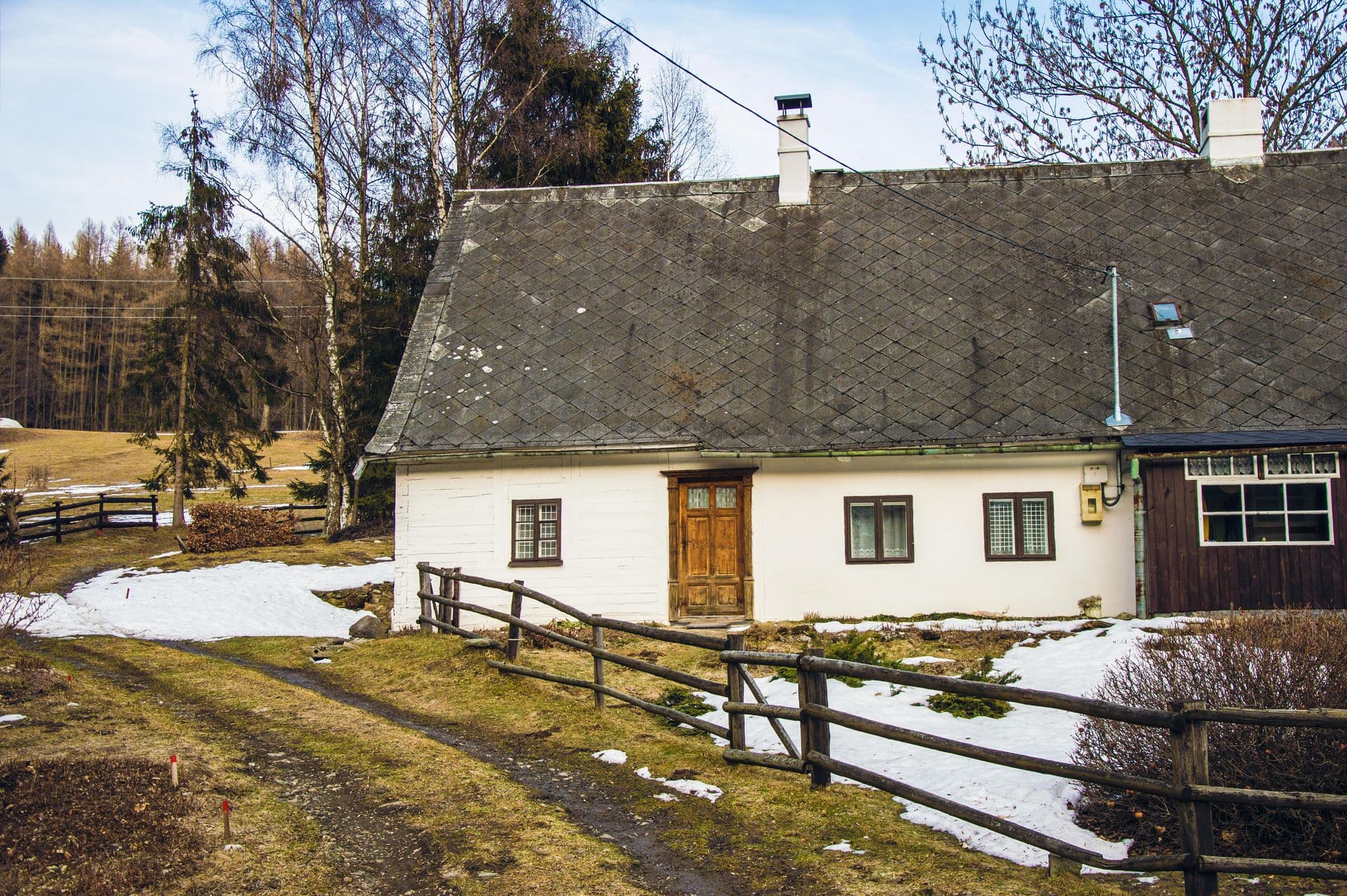
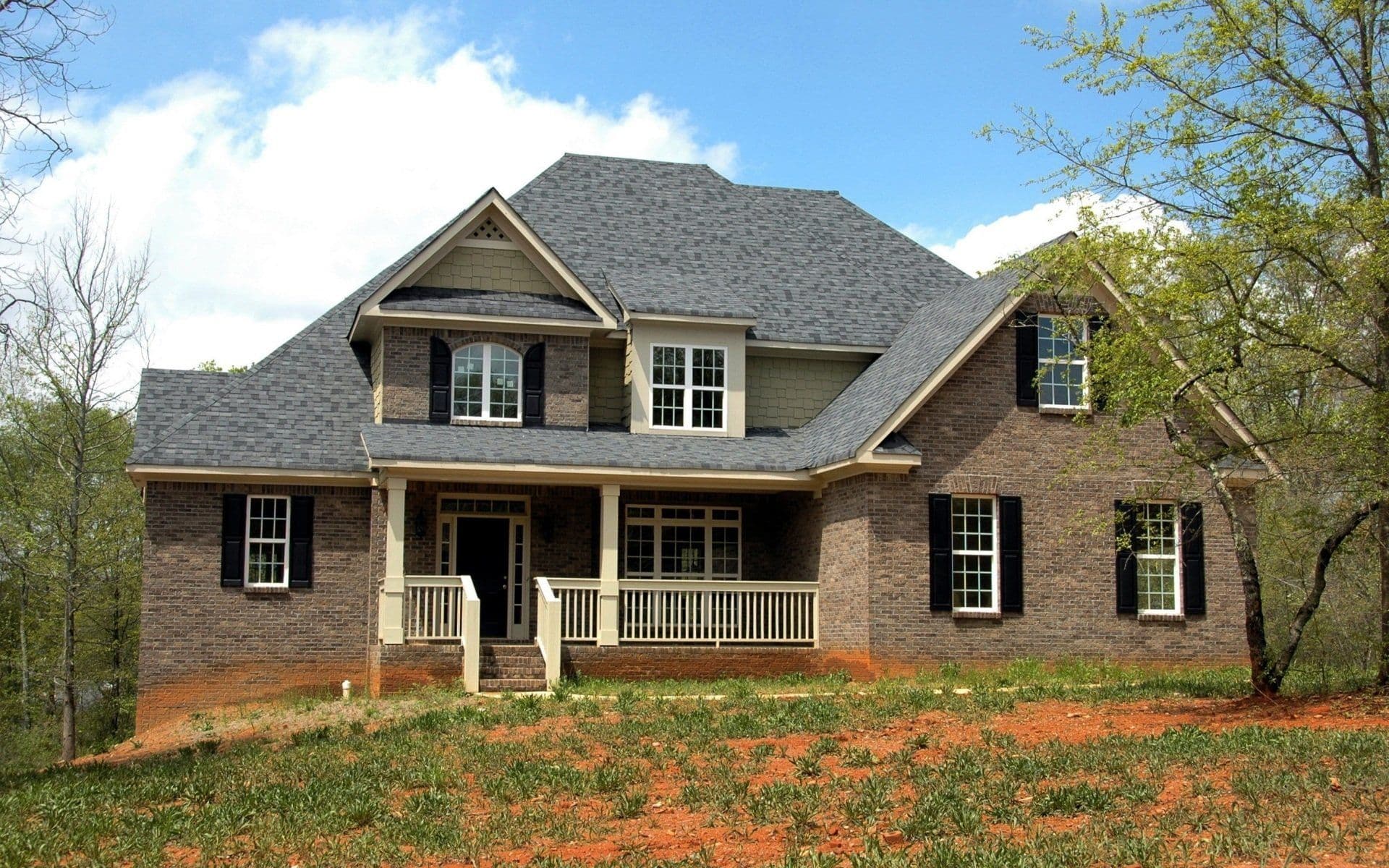
Twin Cities projects in both materials
Questions
Common questions about LP SmartSide and James Hardie siding
What's the actual cost difference?
LP SmartSide runs $7–$12 per square foot installed; James Hardie runs $9–$15. Full-house Twin Cities install: LP typically $20K–$55K, Hardie $30K–$80K. The gap shows up in the line-item quote—material cost is part of it, longer install time is the other part.
Which lasts longer in Minnesota?
Both handle freeze-thaw cycles well when installed correctly. LP SmartSide carries a 50-year limited substrate warranty; Hardie's is 30 years. But Hardie's cement substrate doesn't absorb water, giving it an edge in long-term UV stability. After 20+ years on Twin Cities homes, Hardie typically still looks newer.
Does either qualify for IRA tax credit?
No. The federal IRA 25C tax credit covers windows, doors, insulation, and certain HVAC equipment—not siding, regardless of brand or energy performance. If a contractor mentions tax credit eligible siding, that's not accurate. The credit is real, but it doesn't apply to siding.
Do I need a certified installer?
For the full manufacturer warranty, yes. We're an LP SmartSide Preferred Contractor and a James Hardie Preferred Contractor, so we can register the substrate warranty on either one — plus the HardieZone climate coverage and the ColorPlus paint warranty on the Hardie side. Installed right is what makes the warranty mean something.
What about ExpertFinish versus ColorPlus?
Both are factory paint, just on different substrates. LP's ExpertFinish goes on engineered wood — 16 standard colors plus 6 wood-look Naturals. Hardie's ColorPlus is baked onto fiber cement and carries a 15-year warranty against fading and chalking. Both hold up here. The substrate underneath matters more than which finish you pick.
Ready to choose your siding?
Call us and we'll quote both options with real numbers for your home — then I'll tell you which one I'd put on my own house. Go deeper on each: LP SmartSide and James Hardie.
About
Reviewed by Joe Dvorak, owner
I've put both LP SmartSide and James Hardie on Twin Cities homes for the better part of two decades. We're an LP SmartSide Preferred Contractor and a James Hardie Preferred Contractor. I've got no stake in which one you choose — only in getting the right call for your home. Updated May 2026.