Do Roofers Have to Wear Steel Toe Boots for Protection?
Short answer? No. But you probably should anyway.
I've been roofing for over 20 years, and I've seen guys work without steel toe boots--some of them are still around, and some of them aren't. That's not me being dramatic. It's just the reality of working at heights with heavy tools and unforgiving surfaces.
So let's talk about what actually protects your feet on a roof, what doesn't, and why the choice matters more than OSHA's minimum requirements.
The OSHA Story (And Why It's Not Enough)
OSHA requires work boots for roofing jobs, but here's the fine print: it doesn't specifically mandate steel toe caps. OSHA just says you need "safety footwear" that meets ASTM F-975 standards for electrical hazard protection and slip resistance. Technically, a thick leather boot without steel toes could pass inspection.
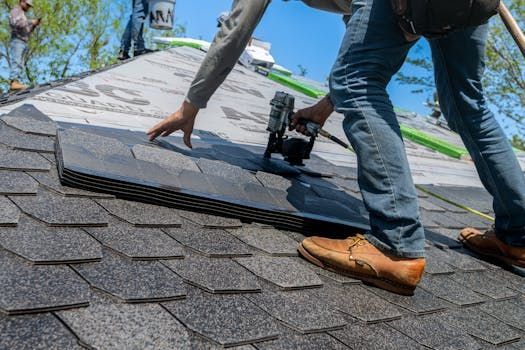
But here's what OSHA is missing: roofing isn't a factory floor. You're working on sloped, wet, or icy surfaces. You're carrying bundles of shingles (30-80 pounds) up a ladder. You're stepping around nails, tar kettles, and equipment. A dropped hammer or a slip into a vent pipe isn't just an ankle twist--it's a catastrophe.
That's why every roofer I know with 10+ years in the business wears steel toes. It's not because OSHA makes them. It's because they've seen what happens when you don't.
What Steel Toes Actually Protect
Steel toe caps are designed to withstand:
- Impact loads up to 2,500 pounds (that's about what a falling 50-pound bundle would deliver)
- Compression from pinching or crushing injuries
- Puncture resistance (especially with composite or kevlar insoles added)
- Thermal protection from hot tar or asphalt fires
Here's the thing, though: steel toes work best when combined with other features. A boot with steel toes but no arch support or ankle stability is only doing half the job.
What Else Matters on a Roof
Beyond the steel toe, you're looking at:
Grip and Sole Quality: Roofs are slippery. Wet asphalt, algae growth, ice in winter, moss on valleys. You need a boot with aggressive tread and a sole designed for traction, not smooth rubber. Cheap boots slip. Expensive ones don't.
Ankle Support: Twisted ankles end careers. You're walking on surfaces that aren't level. Your foot is constantly adjusting to pitch and slope. A boot that's just ankle-height is asking for trouble. You want something that keeps your ankle locked.
Insulation and Breathability: Minnesota winters are cold. But Minnesota summers get hot, and when you're standing on hot roofing tar all day, your feet need ventilation or you're done by 2 p.m. The right boot breathes without letting moisture accumulate.
Weight: This matters. A heavy boot tires you out fast when you're climbing ladders and moving across pitched roofs all day. Modern roofing boots balance protection with weight--usually around 2-3 pounds per boot.
The Boot That Changed Things: Cougar Paws
If you've been roofing long enough, you know about Cougar Paws. They were built by roofers, for roofers, and they basically became the standard in the industry. I've been wearing them for years, and honestly, I can't imagine climbing on a steep roof without them.
Here's what makes them different: the sole is specially designed for steep pitches. The tread pattern is aggressive but precise--it grips without catching on nails or tar. The boot itself is lighter than most comparable options, and the ankle support is legit. They also ventilate well in summer and insulate in winter without feeling like you're wearing ski boots.
Are they the only good option? No. Wolverine, Keen, and a few other brands make solid roofing boots. But Cougar Paws are the ones that roofers actually choose when nobody's making them buy something cheaper.
Price range: $150-$250 per pair. They last about 6-12 months depending on how much time you spend on pitched roofs.
Comparing Roofing Boot Options
Here's a quick breakdown of what you'll find in the market:
| Feature | Cougar Paws | Standard Steel Toe | Cheaper Work Boots | Athletic Safety Boot |
|---------|-------------|-------------------|-------------------|----------------------|
| Roofing-specific grip | Yes | Often weak | Very weak | No |
| Steep pitch traction | Excellent | Good | Poor | Not tested |
| Ankle stability | Strong | Moderate | Weak | Varies |
| Weight | Light (2.2 lbs) | Moderate (2.8 lbs) | Light (2 lbs) | Light (2 lbs) |
| Summer ventilation | Good | Moderate | Moderate | Good |
| Winter insulation | Moderate | Good | Moderate | Poor |
| OSHA compliant | Yes | Yes | Yes | Maybe |
| Durability on roofs | 9-12 months | 6-9 months | 3-6 months | 3-4 months |
| Cost | $150-250 | $80-150 | $40-80 | $100-180 |
The Real Cost of a Slip
Here's the conversation that changes minds: what's the cost of a serious foot injury?
- Lost wages during recovery: $2,000-$10,000+
- Medical bills (not fully covered by workers' comp): $1,000-$5,000
- Permanent disability if you're unlucky: career over
- The actual pain and downtime: three to six months minimum for a serious fracture
A pair of Cougar Paws costs $200. If they prevent one slip or one dropped tool injury, they've paid for themselves fifty times over.
But there's also the secondary stuff: boots that don't grip properly don't just risk major injuries. They cause micro-injuries--the small tweaks and strains that accumulate over years and turn into chronic pain. A roofer in their 50s with bad knees and ankles usually spent their 20s and 30s in cheap boots.
What I Actually Tell My Team
When we hire someone new, here's what the conversation looks like:
"You need roofing-specific boots. Steel toes, minimum. Cougar Paws if you're going to be doing pitched roofs. Non-negotiable. We're not cutting corners on foot protection."
Some guys push back--they think it's overkill. Then they spend a day on a steep roof in winter, and they get it.
For new hires doing residential work, we recommend Cougar Paws. For commercial work where you're mostly on flat roofs? A good steel toe with solid grip is fine. For summer emergency calls when it's 95 degrees? Lighter boot with better ventilation.
The point is: choose boots based on the actual work you're doing, not the price tag or what your buddy swears by.
The Bottom Line
OSHA doesn't require steel toes, but the real world does. Your feet carry you across steep, slippery surfaces while you're handling heavy tools and materials. That's not a normal work environment.
If you're thinking about getting into roofing, or if you've been doing it in cheap boots for years, here's my advice: invest in real roofing boots. Your future self--at 50, with knees that still work and feet that don't hurt--will thank you.
And if you're already doing the work? Check your boot condition this spring. If they're worn down, slipping, or just tired, it's time. New boots are the best safety upgrade most roofers never think about until something goes wrong.
Modern Exterior Systems is a women-owned, family-operated roofing and exterior contractor based in Eden Prairie, MN, serving the Twin Cities metro since 2007. Owner Joe Dvorak brings 20+ years of hands-on construction experience and a 10-year workmanship warranty on every commercial project. BBB Accredited with an A+ rating. Call 952-206-6339 for a free roof inspection.