Is IBHS Fortified Home Affordability Worth It?
Look, I get asked about the IBHS Fortified program at least once a week. Homeowners read something online about getting their roof "certified" and think it's some magic bullet that'll cut their insurance in half. Sometimes it is. Sometimes it's just expensive peace of mind. Let me break down what's actually happening here.
What Is IBHS Fortified, Anyway?
The Insurance Institute for Business and Home Safety created Fortified to reduce catastrophic damage during storms. It's not some new, exotic certification. It's a systematic upgrade path that focuses on three critical zones: your roof, your roof-to-wall connections, and your openings (windows, doors, garage doors). Each zone gets inspected and meets specific wind and impact resistance standards.
When you complete all three zones, you've got a Fortified roof, a Fortified home, or somewhere in between. The full package costs more, obviously.
The Real Cost Question
Here's what people forget: Fortified isn't free. A full retrofit--roof, connections, and openings--runs $15K to $40K depending on your home's age and condition. That's a lot of money upfront.
But here's what makes it worth considering.
Insurance companies love Fortified. Really love it. We're talking 10-25% discounts on your homeowner's policy. Some companies offer more. In Minnesota, that typically means $500-$1,500 per year off your premium. Do the math: if you save $1,000 annually, that retrofit pays for itself in 15-40 years--but you're also living in a significantly stronger home for that entire time.
Plus, if a storm hits and your Fortified home avoids major damage? That's not just money saved. That's your family staying safe, your roof staying dry, and your life not getting turned upside down for months.
Does Minnesota Really Need Fortified?
I've been roofing the Twin Cities for over 20 years. We get hail. We get wind. We don't get hurricanes, which is why Fortified was designed in the Southeast. Some folks argue it's overkill for Minnesota. Fair point--we're not hurricane country.
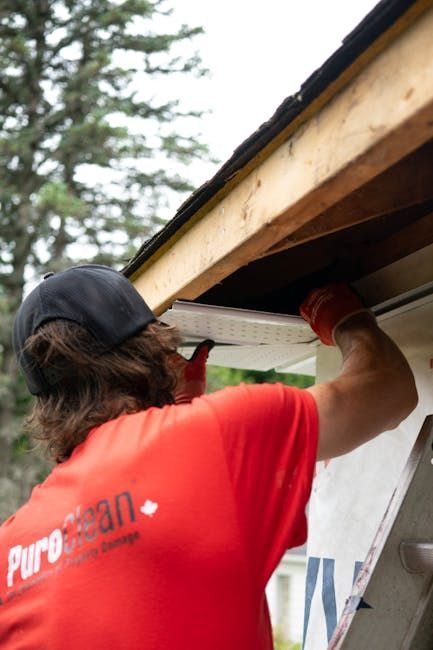
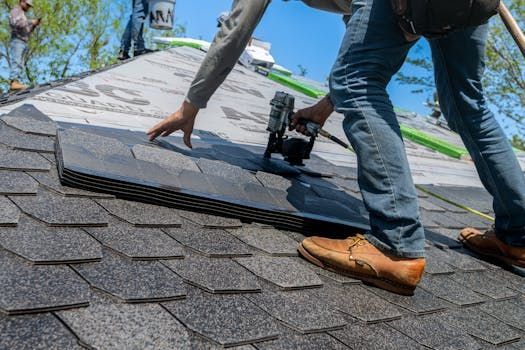
Here's my take: the roof upgrade is worth it anyway. A Fortified-rated roof--built to handle 130+ mph impact resistance--is gonna outlast a standard shingle by years. That's not because of some magic; it's because the materials and installation standards are just better. We've installed dozens of Fortified roofs across the metro, and I've yet to see one regret it.
The full package? Windows, doors, garage door reinforcement, structural connections? That depends on your insurance discount, your home's age, and honestly, whether you can comfortably afford it.
Materials Matter More Than the Label
One thing that frustrates me is when people fixate on the "Fortified" badge and ignore the actual shingle quality underneath. A Fortified installation with a cheap shingle is better than a standard installation with a cheap shingle, sure. But a non-Fortified installation with a premium shingle--say, CertainTeed Presidential TL or a Malarkey Highlander NEX--is gonna perform almost as well in Minnesota weather.
Pick your material first. Does it handle our freeze-thaw cycles? Does it have wind and hail ratings that make sense? Then ask, "Would Fortified certification make this better?"
The Insurance Company Angle
I'll be straight with you. Insurance companies push Fortified because it reduces their claims. That doesn't make it bad--their incentive happens to align with your safety. But it also means they're more likely to offer bigger discounts to Fortified homes, which skews people toward it.
Talk to your actual insurance agent. Ask for a quote with Fortified and without. Some carriers offer 15% off; some offer 25%. One company might give you nothing. Getting real numbers beats armchair speculation.
When Fortified Makes Total Sense
If you're in a high-wind zone (which, again, Minnesota isn't really), Fortified is a no-brainer. If you're rebuilding after a claim, Fortified can help your insurer actually approve the rebuild. If your insurance discount is above 15% and you can cash-flow it, the math works.
If you're on a tight budget and your roof is solid? Get a premium shingle that'll last, skip the full Fortified retrofit for now, and revisit in five years when you can spread the cost.
My Honest Recommendation
I'm certified to install Fortified roofs, and we do it regularly. But I don't push people into it. Here's what I tell folks:
1. Your roof is due for replacement soon anyway, so upgrade the shingles to a Fortified-rated product. That's a win no matter what.
2. Get quotes from your insurance company on a Fortified installation vs. standard. If you're saving $1,200+ per year, the math tilts toward Fortified.
3. If you've got the budget and live in an older home with aging connections, the full package adds real structural value.
Don't do it because the internet told you to. Do it because the numbers work for your specific house and your specific insurance situation.
FAQ
How long do Fortified roofs actually last? The material is what matters, not the Fortified badge. A properly installed CertainTeed ShingleMaster or Malarkey Emerald roof will last 25-35 years in Minnesota, whether or not it's Fortified. The Fortified standard just ensures the installation meets specific wind-resistance specs.
Will my insurance definitely drop if I go Fortified? No. Your discount depends on your carrier and your policy. Some companies offer 25%; others offer 5%. Some offer nothing. That's why you talk to your agent first, not an internet blogger.
Is Fortified required for FHA financing in Minnesota? No. The FHA doesn't mandate Fortified for standard residential mortgages in Minnesota. Some lenders in high-wind states do, but that's not us.
Can I do a partial Fortified install--like roof only? Yes. You can Fortify just the roof without the connections or windows. Each zone stands alone, though full certification is stronger.