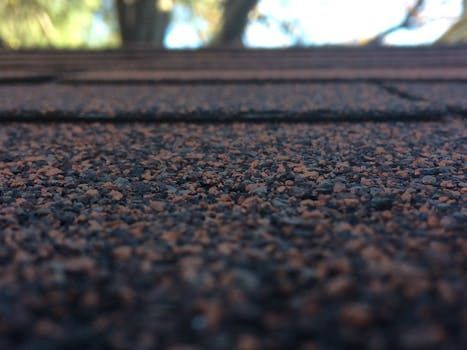
Can You Put TPO Over Shingles?
Short answer: No. You can't. And here's why it matters.
Why the No Is Non-Negotiable
I get asked this question at least once a month. Contractor wants to save money. Homeowner wants to avoid the cost and hassle of tearing off the old roof. Building owner thinks "just put a new roof on top and we're done."
The problem is physics, moisture, warranty, and Minnesota building code. And any one of those is enough to shut this down.
Over the past 20 years, I've torn into dozens of roofs that had TPO installed over asphalt shingles. Every single one had problems. Most had serious problems.
Let me break down why this doesn't work--and what actually does.
The Core Problem: Moisture Trapping
When you install TPO directly over shingles, you create a trapped layer underneath. Here's what happens:
In the winter: Cold air can't get up through the shingles to dry out the space between the TPO and the shingles. Moisture gets in (from foot traffic, condensation, wind-driven rain, or just ambient humidity). It stays there.
In the spring: Minnesota's freeze-thaw cycles cause that trapped moisture to expand. It pushes against the TPO from underneath.
By summer: You've got a de-laminated, bubbling TPO roof. The adhesive has failed. Water is pooling in the low spots. Mold and rot are growing on the shingles underneath.
I once went to bid a roof that had been installed this way three years prior. The shingles underneath were black--completely rotted. We had to tear off everything and start from scratch. Cost went from $8K (if they'd torn off first) to $18K.
Warranty Voiding
This is critical. Every TPO manufacturer's warranty explicitly requires a clean, bare roof deck. Not "shingles with a new roof on top." Not "shingles from before TPO was cool." A bare, dry deck.
Install TPO over shingles? The manufacturer warranty disappears. You're now liable for all repairs. That's not a $2,000 fix anymore--that's a $20,000 problem that's 100% your responsibility.
I had a contractor call me mad because his TPO job failed after two years. He'd installed over old shingles to save $1,500. The manufacturer refused warranty coverage, and he had to foot a $25,000 full replacement. He learned.
Minnesota Building Code Violation
Minnesota has specific code requirements for roof assembly. Here's the relevant part:
You cannot install a mechanically fastened or fully adhered TPO membrane directly over asphalt shingles. The shingles are not an approved substrate. Period.
I've had inspectors red-tag jobs for exactly this. You either:
1. Tear off the shingles and install TPO properly, or
2. You pick a different roofing material that's approved for installation over existing shingles.
Building permit? Denied. Insurance claim for that roof? Denied. You've created an unpermitted structure.
Poor Adhesion and Wind Resistance
TPO needs a solid substrate to bond to. Shingles are bumpy, textured, and designed to shed water. They're not a good gluing surface.
We've walked roofs where the TPO was just sitting on top of the shingles--barely adhered. One storm with 60+ mph winds and the whole thing started to peel. Guys were nailing down TPO to try and save it. Not a fix. A band-aid on a bad installation.
Minnesota gets plenty of high-wind events. Your roof needs to be installed right.
Weight and Structural Concerns
Asphalt shingles add weight. TPO adds weight. You're now doubling the load on your roof structure--especially if the building was built before modern load codes.
I had a commercial client whose engineer specifically flagged this. Old building, older trusses. Adding TPO over existing shingles exceeded the designed load capacity. We had to tear off the shingles. Non-negotiable.
Even if your structure can handle it, you're creating unnecessary burden. Why?
When TPO IS the Right Choice
TPO is an excellent roofing material when it's installed right. Here's when it makes sense:
- Bare roof deck with no old membrane. Tear off first, then install.
- Low-sloped commercial roofs (2-5° pitch). TPO excels here.
- Buildings where reflectivity matters. TPO's light color is great for energy efficiency in hot climates. Minnesota? Less critical, but it helps.
- Long-term durability. TPO lasts 15-25 years with proper maintenance. That's solid.
- Cost-effectiveness. If you're building from a bare deck, TPO is cheaper than metal, architectural shingles, or slate.
But every single one of these requires a clean roof deck. No shortcuts.
The Three Smart Alternatives
If you've got asphalt shingles and you want a new roof, here are the options that actually work:
Option 1: Proper TPO Installation (Tear Off First)
Yes, it costs more upfront to tear off the shingles. $8,000 instead of $6,500. But you get:
- Full manufacturer warranty
- Code-compliant installation
- 15-25 year lifespan
- Proper water management
That extra $1,500? That's insurance. It prevents the $25,000 catastrophe.
Option 2: New Asphalt Shingles
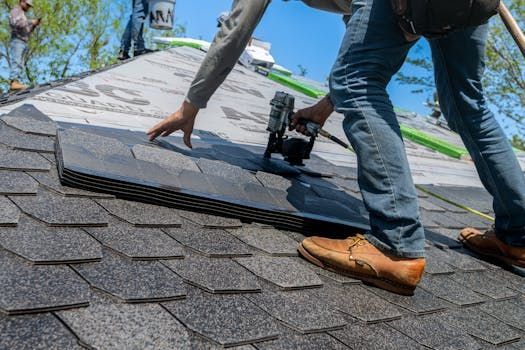
You can install new architectural shingles right over old shingles if the building code and manufacturer allow it. This works in some cases because asphalt shingles are designed to accept this kind of overlay.
But: You're still adding weight, you're shortening the lifespan of the existing shingles (they'll break down faster underneath), and you're creating a future problem when it comes time to replace again.
Better to tear off and do it right.
Option 3: Metal Roofing
Metal can be installed over existing shingles in some cases (check local code). Metal is:
- Extremely durable (40+ years, often)
- Lightweight
- Energy-efficient
- Immune to water-related failures
Metal costs more than TPO, but it lasts longer and gives you way more flexibility on installation. If budget is tight but you don't want to tear off, metal is worth considering.
TPO vs. Asphalt: When to Use Each
| Metric | TPO | Asphalt Shingles |
|--------|-----|------------------|
| Lifespan | 15-25 years | 15-20 years |
| Cost | $$$$ | $$-$$$ |
| Best For | Low-slope commercial, reflectivity needs | Residential, steep roofs (2:12+) |
| Installation Over Old Roof | NO (requires bare deck) | Sometimes (check code/mfr) |
| Warranty | Full (if installed right) | Full (if installed right) |
| Maintenance | Minimal (quarterly inspections) | Minimal (inspect, clear gutters) |
| Weather Resistance | Excellent in Minnesota winters | Excellent in Minnesota winters |
| Wind Resistance | Excellent (if adhered properly) | Excellent (nailed properly) |
Why Contractors Push TPO Over Shingles
Let me be honest: the reason you hear this option is cost and speed.
A contractor saves time and labor by not tearing off. Their crew clears debris instead of hauling shingles. They're off the job three days faster. That's lower overhead for them.
But it's not lower risk for you. It's their profit at your expense.
I turned down jobs because homeowners or building managers insisted on this approach. I'm not installing a roof that violates code or fails in five years. Not worth my reputation.
What to Do If You've Got This Problem Already
If you've got TPO over shingles or you're thinking about it, here's the action plan:
1. Get a professional inspection. Not a sales pitch--a real third-party inspection. Costs $150-250. Worth it to know what you're dealing with.
2. Check your warranty. If your roof was installed this way, your manufacturer warranty is void. Document that.
3. Plan for the tear-off. It's the only real fix. Get quotes from reputable contractors (not the lowest bid--the one who explains the work).
4. If budget is tight right now. Get an annual inspection to catch problems early. Monitor for bubbling, lifted seams, or ponding water. It'll buy you time to save up for the real fix.
5. Check with your insurance. Some policies don't cover roofs installed over existing shingles. Know where you stand.
The Bottom Line
TPO is a great roofing material. Modern, durable, cost-effective. But it has one non-negotiable requirement: a bare, clean roof deck.
Installing TPO over shingles isn't a shortcut--it's a shortcut to problems. Failed warranty. Code violations. Moisture damage. Shortened lifespan. And eventually, a $20,000+ full replacement.
The upfront cost of a proper tear-off and TPO installation is the cost of doing it right. It's also the cost of protecting your investment and keeping your warranty intact.
If you're looking at a new roof and you've got existing shingles, let's talk. I can walk you through the actual cost difference, the code requirements, and why skipping the tear-off ends up costing more than doing it right the first time.
Common Questions
Q: My roofer says he can put TPO over shingles if we do it right. Should I trust him?
A: No. There's no "doing it right" if it's over shingles. The material isn't designed for it, manufacturers won't warranty it, and code doesn't allow it. Get a second opinion from another licensed contractor.
Q: What if I only do a partial roof replacement?
A: Same rule applies. If it's TPO, you need bare deck underneath. You might tear off old material from just that section, but that's the requirement.
Q: I've seen roofs with TPO over shingles that seem fine. Why would mine fail?
A: Minnesota's weather is brutal. Freeze-thaw cycles, high wind, humidity swings. A roof that looked okay in year two can fail by year five. And you won't know until you've got leaks inside your building.
Q: If I put new shingles over old shingles instead, is that better?
A: Sometimes it's allowed by code and manufacturer. But you're still adding weight and stacking materials. The best practice is always to tear off and start with a clean deck.
Q: What if the existing roof deck is damaged and needs replacement anyway?
A: Then you're tearing everything off anyway. Do it right from the start. Install TPO over clean, properly prepared deck.
Q: Is there a temporary fix if moisture gets trapped under TPO?
A: Not really. You can cut out the bad section and re-patch it, but that's not a permanent fix. The underlying shingles are already degrading. You'll be patching forever. Full replacement is the only real solution.
Modern Exterior Systems is a women-owned, family-operated roofing and exterior contractor based in Eden Prairie, MN, serving the Twin Cities metro since 2007. Owner Joe Dvorak brings 20+ years of hands-on construction experience and a 10-year workmanship warranty on every commercial project. BBB Accredited with an A+ rating. Call 952-206-6339 for a free roof inspection.