Listen, modified bitumen is one of the most misunderstood roofing materials in commercial construction. I've spent years fixing them, and honestly, most building owners don't know what they've got on their roof until something goes wrong. So let's break it down.
What Is Modified Bitumen, Really?
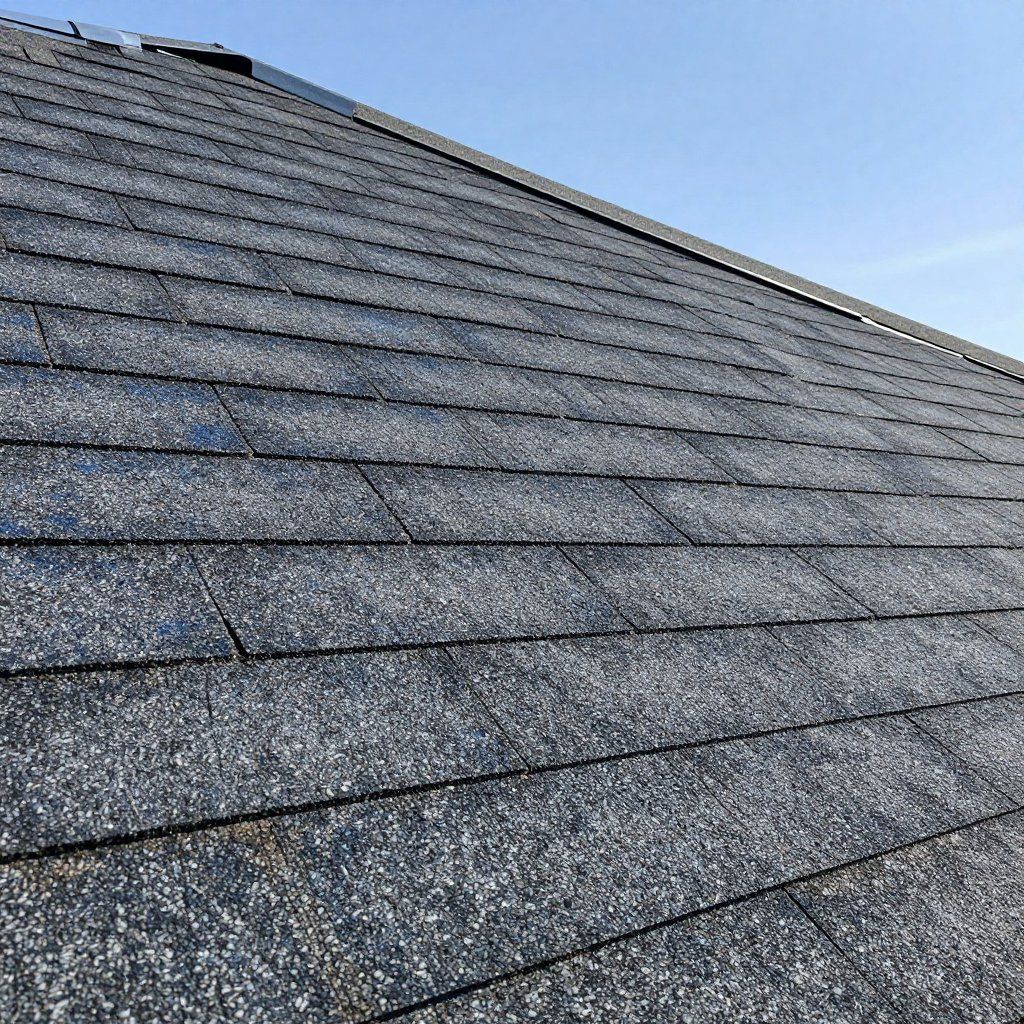
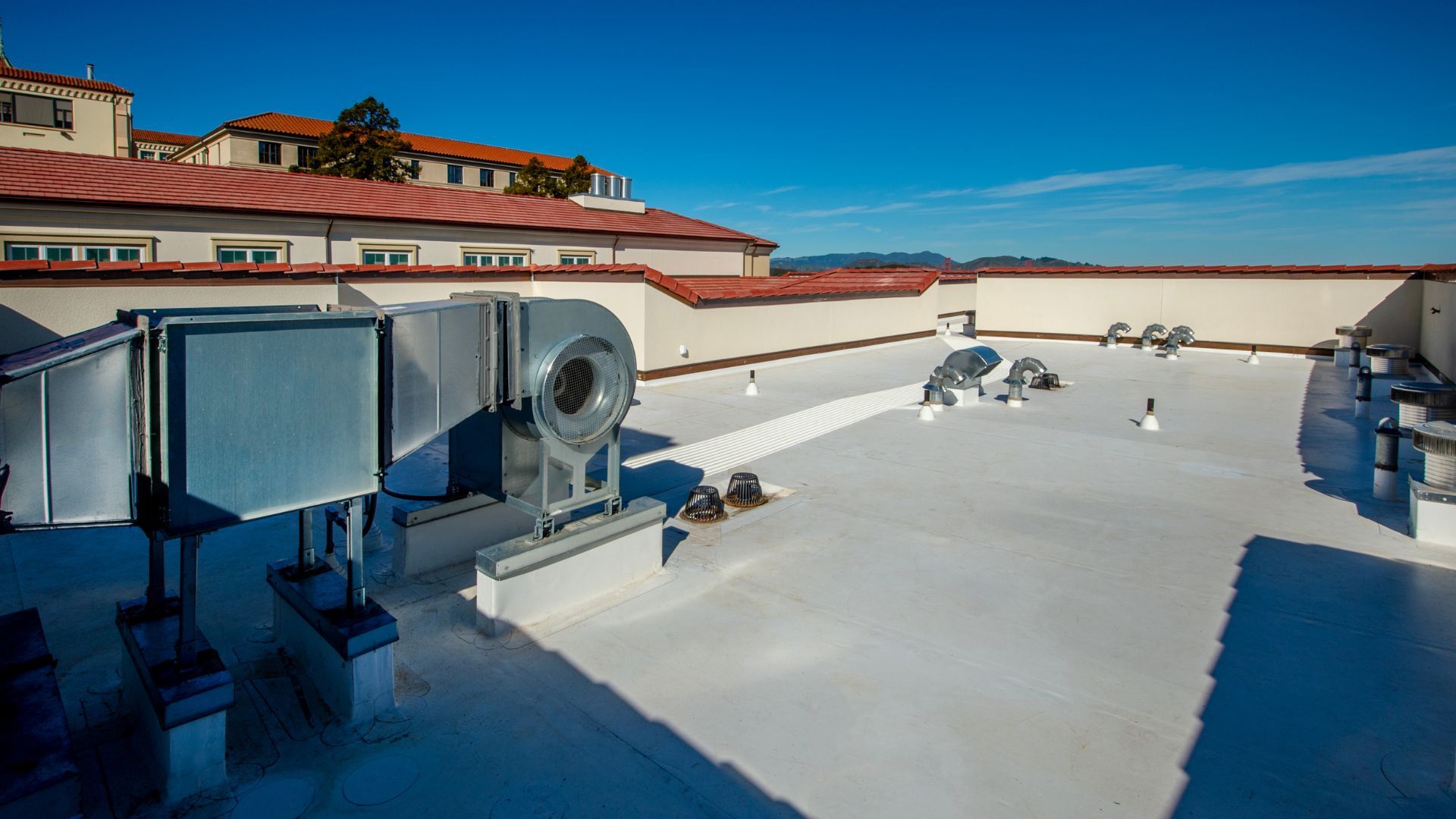
Modified bitumen (or "mod bit" as we call it) is a factory-blend of asphalt and rubber or plastic polymers. The polymer modifier is the game-changer—it gives the material flexibility and durability that straight asphalt can't deliver. (For the bigger picture on what we install across low-slope buildings, see our commercial roofing page.)
You've got two main types in the field:
SBS (Styrene-Butadiene-Styrene): This rubber-modified stuff is more flexible. It performs better in cold weather because it doesn't get brittle. Minnesota? SBS is your friend. It's the more common choice up here.
APP (Atactic Polypropylene): This plastic-modified material is stiffer and better in hot climates. It stands up to UV exposure longer. You'll see it more in the South, but we do use it here too.
Most mod bit roofs come in rolls about 36 inches wide. They're typically torch-applied or self-adhered (that's the newer, safer option). The membrane is usually 3–4 mm thick, sometimes thicker on commercial applications. (If you're weighing a tear-off and want to know what comes next, the EPDM roofing alternatives breakdown covers the main flat-roof options.)
The Problems We See Most Often
After two decades working on mod bit roofs, I've got a mental catalog of failure patterns. Here's what eats up my service calendar:
Blistering (The Sneaky One)
This is water vapor trapped under the membrane. It happens when:
- Moisture got locked in during installation
- Water infiltrated through seams or punctures
- Temperature swings cause the vapor pressure to spike
Blisters start small—pea-sized bubbles you might miss on a quick inspection. But they're cracks waiting to happen. Once a blister breaks, water spreads underneath, and suddenly you're looking at soft spots in the insulation below.
Cracking and Alligatoring
The membrane shrinks over time. This is normal, but the extent depends on:
- Installation quality (was the primer applied correctly?)
- UV exposure (uncoated membranes degrade faster)
- Thermal cycling (Minnesota winters and summers do a number on roofs)
Alligatoring is that pattern-cracking that looks like reptile skin. It's usually a sign the membrane is nearing end of life. Once you see it across 30+ percent of the roof, replacement usually beats patching — our Minneapolis flat roof replacement page walks the Mule-Hide TPO, EPDM, and mod-bit options and pricing.
Seam Failures
Seams are the vulnerabilities in any torch-applied roof. We've seen:
- Cold welds (the heat gun wasn't hot enough, so the seams didn't fuse properly)
- Dirty surfaces before welding (dust, moisture, old coatings prevent adhesion)
- Thermal movement stress (as the membrane expands and contracts, weak seams split)
A failed seam is a highway for water. It'll run along the underside of the membrane, destroying insulation and structural layers you can't see.
Punctures and Tears
Foot traffic, fallen branches, fallen equipment—anything can punch through. Punctures might not leak immediately, but they're open doors for water infiltration.
Ponding Water
This is especially common on older roofs with poor drainage or sagging structure. Standing water:
- Accelerates deterioration of the membrane
- Adds weight (it adds up—an inch of water across 5,000 sf is nearly 130 tons)
- Creates conditions for algae and mold
- Breaches faster if the membrane has any weakness
Flashing Deterioration
The flashings around penetrations, edges, and curbs are often the first thing to fail. Modified bitumen flashing cracks or pulls away from the wall, usually before the main membrane starts failing.
How Mod Bit Repairs Actually Work
Here's what's in our toolkit:
Seam Re-Welding
If the seam is the only problem, we clean the area thoroughly, then torch-apply a new layer over the existing seam. This is relatively quick (usually an hour or two) and cost-effective. Price depends on the linear footage and access, but you're looking at $100–$250 per 100 linear feet in the Twin Cities market.
Patch Repairs
For punctures, tears, or small failed areas, we cut out the damaged section, clean the area, and apply a torch-bonded patch. The patch material is similar to the existing membrane.
Cost typically runs $200–$500 per patch, depending on size and complexity. Bigger patches (above 3–4 sf) cost more per square foot.
Blister Repair
If blisters are scattered (not widespread), we have two options:
- Route and seal: Cut a small opening, let moisture escape, then reseal. Works for minor cases. Budget $75–$200 per blister.
- Full overlay: If blisters are systemic (covering 20%+ of the roof), a full overlay is cheaper than routing dozens of spots.
Coating Application
A protective coating (usually acrylic-based) adds 5–10 years of life. It slows UV degradation and helps with thermal cycling. This is preventive maintenance, not a solution for structural problems.
Cost: $1.00–$3.50 per square foot installed, depending on the coating quality and roof accessibility.
Flashing Replacement
This is usually bundled into a larger repair. Replacing flashings around the perimeter or a single penetration runs $300–$1,000 depending on the linear footage and whether you're going up into vertical walls.
Cost Breakdown for a Typical Repair Job
Let me walk you through a realistic scenario: a 10,000 sf modified bitumen roof with a few isolated problems.
Scenario: 3 blisters, 2 puncture patches, 20 linear feet of seam failure, and some edge flashing deterioration.
- Seam repair (20 LF): ~$300
- Blister repair (3): ~$450
- Puncture patches (2): ~$600
- Flashing replacement (20 LF): ~$500
- Inspections and prep: ~$200
- Total: ~$2,050
That's about $0.20 per square foot. Compare that to a full replacement, which would run $1.50–$3.00 per square foot ($15,000–$30,000 for a 10,000 sf roof).
Now, if the same roof had alligatoring across 40 percent of the surface and widespread ponding? You're replacing it, not patching. The cost math changes completely — and where it lands depends on the system. See our broader commercial roofing in Twin Cities overview for how Modex scopes a full replacement.
Repair vs. Replace: The Decision Framework
I use three questions:
1. How Old Is the Roof?
- Under 15 years: Usually worth repairing if the damage is localized.
- 15–20 years: Repairs buy you time, but you're managing risk. Budget for replacement within 5 years.
- Over 20 years: You're on borrowed time. Major repairs don't make financial sense. Replace it.
Modified bitumen typically gets 20–25 years of service life. SBS lasts longer than APP in our climate.
2. How Extensive Is the Damage?
- Localized (under 15% of roof area): Repair.
- Widespread (15–40%): Do a cost-benefit analysis. Sometimes a full overlay is cheaper than patching dozens of spots.
- Severe (over 40%, including structural concerns): Replace.
3. Are There Signs of Moisture Infiltration?
This is the kicker. If you've got soft insulation, mold, or ceiling stains in the building below, water has already gotten inside. Repairs might not solve the underlying problem. You might need to:
- Open up the roof and assess structural damage
- Replace water-damaged insulation (this costs money fast)
- Address any deterioration to the structural deck
If the decay is extensive, replacement becomes the only smart move.
Preventive Maintenance: Keeping Your Roof Alive
Here's the stuff nobody does until it's too late:
Annual Inspections: Walk the roof in spring and fall. Look for:
- Visible cracks, especially near seams
- Ponding water after rain
- Blisters or soft spots
- Flashings pulling away from curbs or walls
- Debris, moss, or algae growth
Debris Removal: Clear roof on leaves, branches, standing water. Falling debris—from trees or adjacent buildings—gets picked up and discarded.
Minor Repairs Immediately: Don't let a single puncture sit. Water finds its way in fast.
Coating Every 10 Years: A reflective coating extends the membrane life and reduces thermal stress. It's cheaper than dealing with blistering and cracking later.
Drainage Maintenance: Make sure gutters, drains, and scuppers aren't clogged. Standing water is enemy number one.
What We Recommend
If you've got a modified bitumen roof:
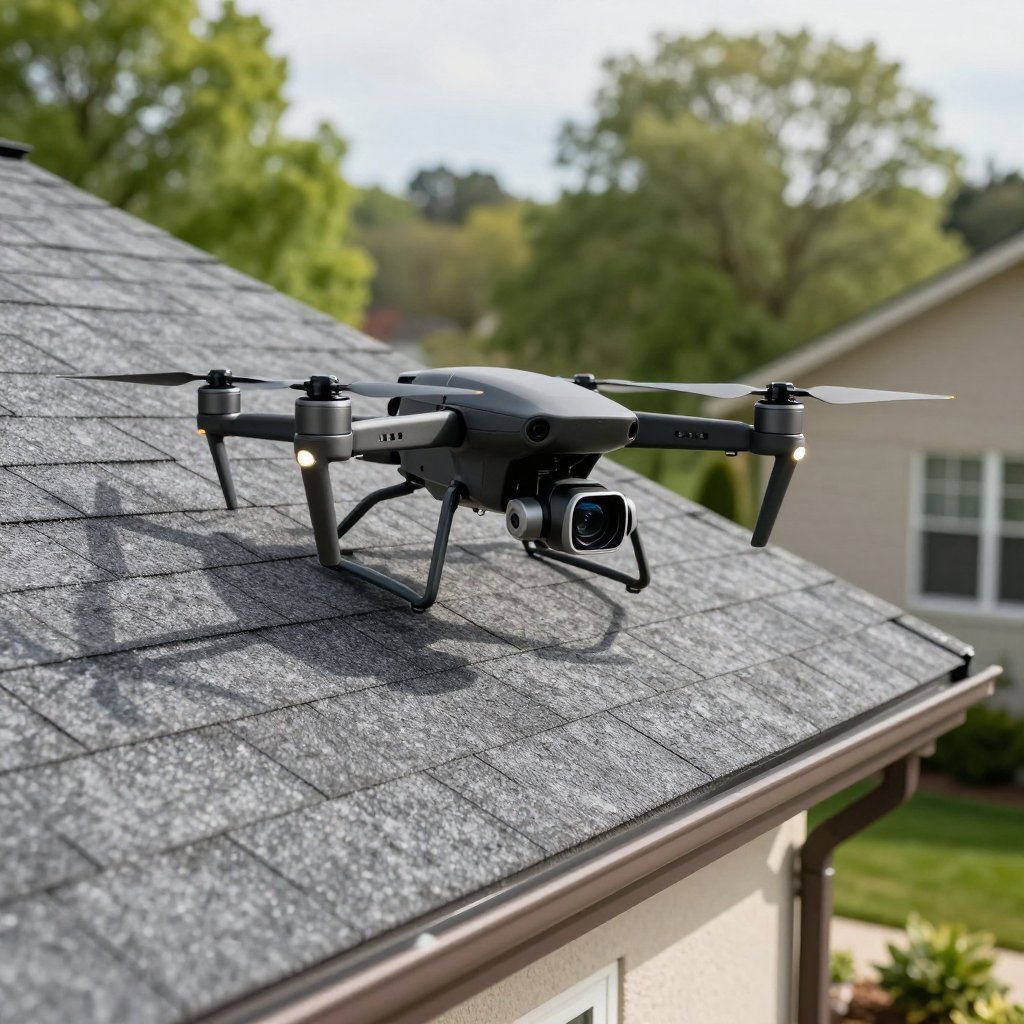
- Get an inspection from someone who knows what they're looking at. Not all damage is obvious from the ground.
- Document everything with photos. Water damage gets worse fast.
- Budget for repairs early. A $3,000 repair now beats a $30,000 replacement you could've avoided.
- Plan for replacement once the roof hits 20 years or 40% damage. Don't wait for catastrophic failure.
Modified bitumen is a solid material when it's installed right and maintained. But like any roofing system, it needs attention. Catch problems early, and you'll get full value from your investment.
Modern Exterior Systems is a women-owned, family-operated roofing and exterior contractor based in Eden Prairie, MN, serving the Twin Cities metro. Owner Joe Dvorak brings decades of hands-on construction experience and a 10-year workmanship warranty on every commercial project. BBB Accredited with an A+ rating. Call 952-206-6339 for a free roof inspection.