Hail Damaged Home Appraisal: What to Expect
Hail Damaged Home Appraisal: What to Expect
I get this call at least a dozen times every hail season: "Joe, we're thinking about selling — but we just got hit with a storm. What's this going to do to our home value?"
It's a fair question. And the honest answer? It depends almost entirely on what you do in the next few weeks.
I've worked through hundreds of hail claims across the Twin Cities over the past 20 years. I've seen homeowners lose tens of thousands in property value because they sat on damage too long. I've also seen homeowners walk out of appraisals with basically zero impact — same storm, same neighborhood — because they handled the documentation and repairs the right way.
Here's what actually matters.
The Short Version
If you get hail damage, document it immediately, file your insurance claim, get the repairs done by a licensed contractor, and keep every piece of paper. Do that, and your appraisal takes a minimal hit — maybe 1-3% at most, and often nothing at all.
Skip the repairs or lose the paperwork? You're looking at 5-15% off your home's value. On a $400,000 house in Eden Prairie or Minnetonka, that's $20,000 to $60,000 gone.
The difference isn't the damage. It's the documentation.
What Appraisers Actually Look At
I've been on-site during a lot of these appraisal inspections, and here's what I can tell you — appraisers aren't just glancing at your roof. They're systematic about it.
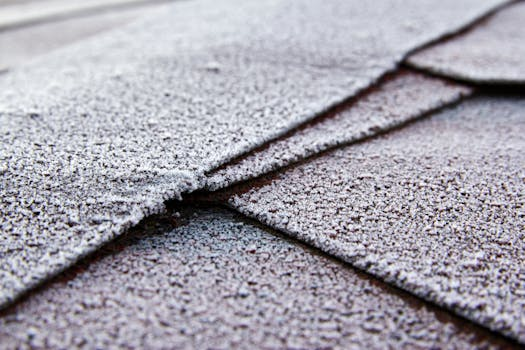
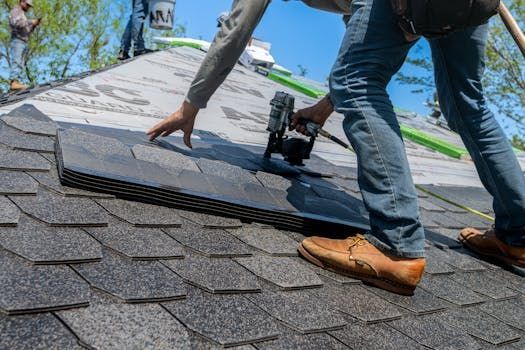
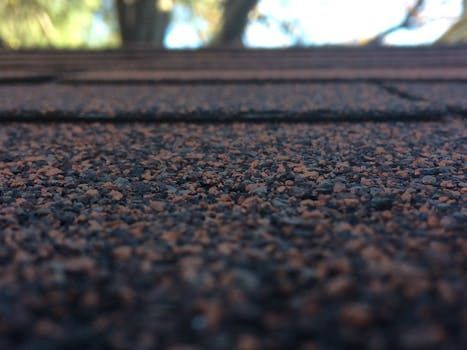
The roof gets the most attention. They're checking for dented shingles, granule loss (that's the gritty coating that protects the asphalt underneath), cracked or split shingles, and anything that looks like it's letting water in. If your roof has widespread granule loss, that's a red flag — it means the shingles are aging faster than they should be.
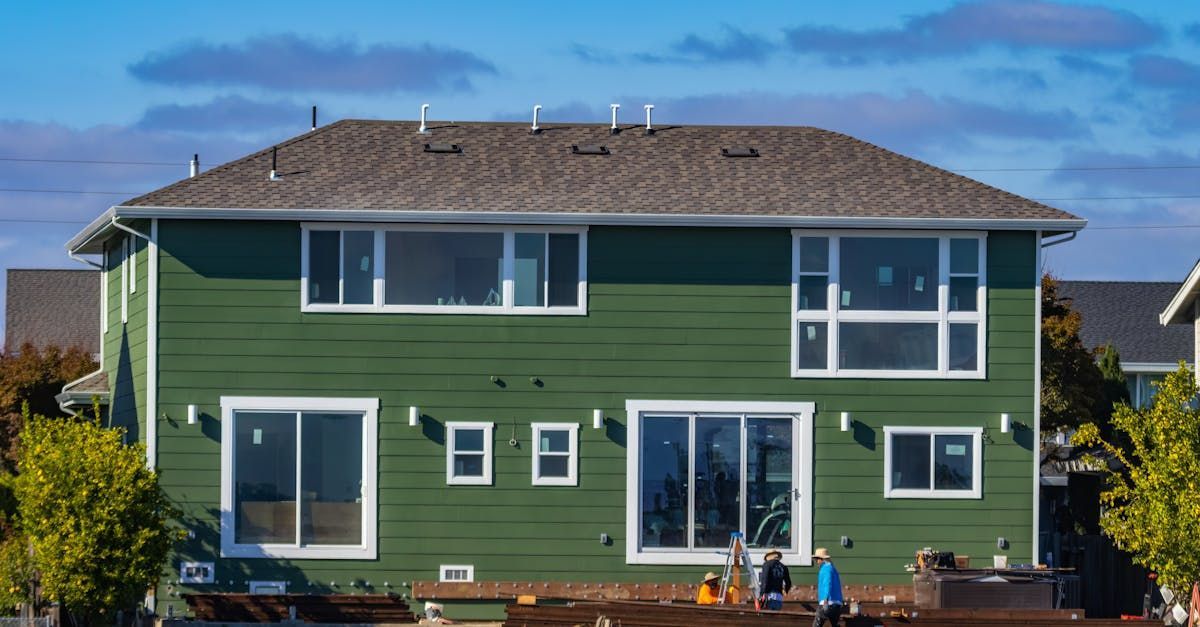
Siding is next. Dented vinyl or aluminum siding is obvious. But cracked fiber cement or damaged LP SmartSide panels are worse — that's not just cosmetic, that's your home's weather barrier compromised.
Windows and doors. Broken glass is the obvious one, but appraisers also check for seal failures on double-pane windows. Hail can crack the seal without breaking the glass, and you end up with that foggy look between the panes. That's a replacement, not a repair.
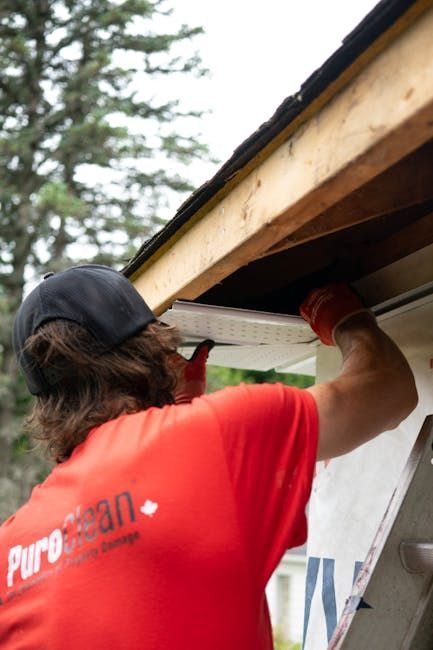
Gutters and downspouts. Dented gutters aren't just ugly — they don't drain properly. Water backs up, gets under your roof edge, and in Minnesota winters, that's how ice dams start.
The big one: is the damage old or new? Appraisers can tell the difference. Fresh hail damage tied to a documented storm event with an insurance claim is viewed as an isolated incident. Old damage that's been sitting there for two years with no repairs? That raises questions about what else might be going on underneath.
How Hail Damage Hits Your Home Value
I'll keep this simple. Here's what I've seen play out across the Twin Cities market:
Roof damage (dents, granule loss, missing shingles) — repairs typically run $8,000-$15,000 depending on roof size and material. Left unrepaired, you're looking at 7-12% value reduction. Repaired and documented? Maybe 1-2%.
Siding damage (dents, cracks across multiple panels) — repairs run $4,000-$8,000. Unrepaired, that's 3-6% off your value. Repaired? Under 1%.
Windows (broken or seal-failed, 3-5 units) — $2,000-$5,000 to replace. Unrepaired, 2-4% value reduction. Repaired? Barely registers.
Everything combined (roof + siding + windows + gutters) — if you've got $15,000-$28,000 in total damage and you don't fix any of it, you could be looking at 10-15% off your home's value. Fix everything and keep the records? Under 3%.
The math is pretty clear. The repairs pay for themselves in preserved property value — and that's before you factor in the insurance covering most of the cost.
Minnesota's Disclosure Law — You Can't Hide It
Here's something a lot of homeowners don't realize: Minnesota law requires you to disclose known hail damage when you sell. That's Minnesota Statute §507.18. It doesn't matter if the damage is minor. If you know about it and don't disclose it, the buyer can come after you for repairs — or worse — after the sale closes.
I've seen this play out. A homeowner in Plymouth tried to sell without disclosing a hail-damaged roof. The buyer's inspector caught it, the deal almost fell through, and they ended up knocking $18,000 off the price just to keep it together. If they'd spent $11,000 on repairs before listing, they'd have come out $7,000 ahead.
The takeaway: fix it, document it, disclose it. That's the cleanest path forward.
Your Action Plan After a Hailstorm
If you're dealing with hail damage and you're worried about your home's value, here's exactly what to do:
Day 1-2: Document everything. Walk around your property and take photos of every piece of damage you can see from the ground. Roof, siding, gutters, windows, garage doors, deck railings — everything. Use your phone's date stamp. Take video too.
Day 1-3: Call your insurance company. File the claim. Get your claim number. Keep every piece of correspondence they send you. The clock starts ticking on deadlines once you file — in Minnesota, most policies have a one-year deadline for filing hail claims, but some are shorter. Don't wait.
Week 1: Get a professional inspection. Have a licensed roofing contractor inspect your roof and document the damage with photos. This isn't the same as the insurance adjuster's visit — this is your independent documentation from someone who knows what hail damage looks like up close. We do these inspections for free.
Important note on insurance: Every policy is different, and I'm not an insurance advisor. I've worked alongside adjusters on hundreds of claims, and I can help you understand the process from a contractor's perspective — but for specific coverage questions, deductible amounts, or claim disputes, talk to your licensed insurance agent. They'll know your policy inside and out.
Week 2-4: Get the adjuster out. Your insurance company sends their adjuster. They inspect, write up their estimate, and you get an approval. If the estimate seems low, you can supplement — that's where having your own contractor's inspection report helps.
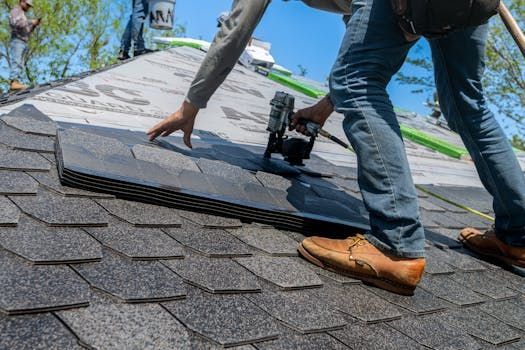
Month 1-3: Complete repairs. Get the work done by a licensed, insured contractor. When it's finished, get a repair certificate that lists what was done, what materials were used, the completion date, and the contractor's license number. This is the document that makes your appraisal clean.
Keep everything in one folder. Claim number, adjuster's report, contractor inspection, repair certificate, before/during/after photos, material warranties. If you ever sell, this folder is worth thousands in preserved property value.
The Insurance Adjuster vs. The Appraiser — They're Not the Same
This trips people up. Your insurance adjuster figures out what repairs cost so the insurance company can pay the claim. Your home appraiser figures out what your property is worth for a sale or refinance.
You can have a $20,000 insurance claim fully approved and still take a 10% hit on your appraisal if you didn't actually complete the repairs. The adjuster approving the claim doesn't fix your roof — it just pays for the fix. The appraiser wants to see that the work was actually done.
Frequently Asked Questions
Will my homeowner's insurance cover the full cost of hail damage repairs?
Most policies cover hail damage, but what you actually receive depends on your deductible and whether your policy pays replacement cost value (RCV) or actual cash value (ACV). RCV pays what it costs to replace with new materials at today's prices. ACV depreciates the materials based on age — so a 15-year-old roof gets a smaller payout than a 5-year-old one. Check with your insurance agent to understand which type of coverage you carry.
How long does the appraisal process take after a hailstorm?
Figure 2-4 weeks total. A few days to schedule, a day or two for the inspection itself, and another week or so for the report. During peak hail season in Minnesota (May through August), appraisers get backed up and it can stretch longer. If you're planning to sell, factor that into your timeline.
Can I dispute an appraisal that I think undervalues my repaired home?
Yes. If you've got documentation showing the repairs were done properly — contractor certificates, before/after photos, material warranties — you can request a reconsideration or hire an independent appraiser for a second opinion. Good documentation is your best leverage here.
Do I have to fix hail damage before selling in Minnesota?
You're not legally required to repair it, but you are legally required to disclose it. And in practice, unrepaired damage means lower offers, a smaller buyer pool, and a longer time on market. Most buyers don't want the headache. Fix it before you list if at all possible.
How does hail damage affect home values specifically in the Twin Cities?
In the Minneapolis–St. Paul metro, homes with properly documented and repaired hail damage barely show a value impact — typically 1-3% at most. Homes with unrepaired damage lose 5-15% depending on severity. Given median home values in Eden Prairie, Minnetonka, and surrounding suburbs, that difference can easily be $20,000-$60,000 or more.
About Modern Exterior Systems
Modern Exterior Systems is a women-owned, family-operated roofing and exterior contractor based in Eden Prairie, MN, serving the Twin Cities metro since 2007. CertainTeed ShingleMaster and Malarkey Emerald certified. LIFETIME workmanship warranty on every project. BBB Accredited with an A+ rating.
Free hail damage inspections — call 952-206-6339 or visit modernexteriorsystems.com
Joe Dvorak | Modern Exterior Systems • Eden Prairie, MN