How Long Does a Roof Last in Minnesota? A Contractor's Honest Answer
How Long Does a Roof Last in Minnesota?
The short answer: most asphalt shingle roofs in Minnesota last 15 to 25 years. Some push past 30. Some don't make it to 15.
The difference isn't luck — it's the shingle you pick, who installs it, and whether your attic is set up to let the roof do its job.
I've been replacing roofs across the Twin Cities for over 20 years. I've torn off roofs that were installed 8 years ago and completely shot. I've also seen 28-year-old roofs that still had life left. Here's what actually determines how long yours will last.
Roof Lifespan by Material
Not all shingles are created equal, and manufacturer "lifetime" warranties don't mean what most people think they mean.
3-tab asphalt shingles: 12–18 years in Minnesota. These are the flat, uniform shingles you see on a lot of older homes. They're thin, they weather fast in our climate, and most manufacturers have either discontinued them or stopped pushing them. If your roof has 3-tabs, it's probably getting close to replacement age.
Architectural (dimensional) shingles: 20–30 years. This is what goes on most homes today. Brands like CertainTeed Landmark , Malarkey Vista , and Atlas StormMaster fall in this category. They're thicker, heavier, and hold up much better to wind and hail. Realistically, expect 20–25 years in Minnesota's climate — not the 30+ years the brochure says.
Impact-resistant shingles (Class 4): 25–35 years. Malarkey Legacy, Atlas StormMaster Shake, CertainTeed Presidential Shake. These are built to take a beating from hail. They cost more upfront, but they last longer and often qualify for insurance discounts in Minnesota. If you're in a hail-prone area (which is basically all of the Twin Cities), these are worth looking at.
Premium/synthetic materials: 40–75+ years. CeDUR shakes, Brava tiles, DaVinci composites — these are the high-end options. They look like wood or slate but are engineered to handle Minnesota weather without the maintenance. The price tag is significantly higher, but you're buying a roof you'll probably never replace again.
Metal roofing: 40–70 years. Standing seam metal roofs hold up extremely well here. No shingle granule loss, no cracking, no blow-offs. They handle snow load, ice, and temperature swings better than any asphalt product. The cost is 2–3x asphalt, but the lifespan math usually works out.
Why Minnesota Is Harder on Roofs Than Most States
Your roof in Minnesota takes more abuse than the same roof would in North Carolina or Oregon. Here's why:
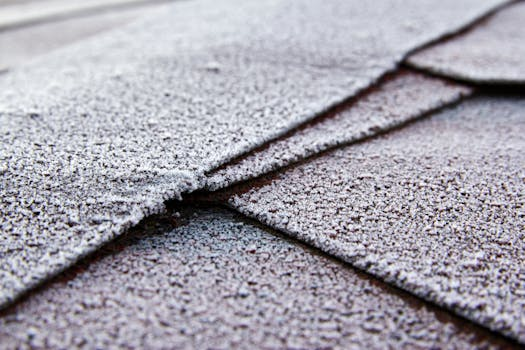
Temperature swings. We routinely go from -10°F to 40°F in the same week during winter. Every freeze-thaw cycle expands and contracts your shingles. Over 20 years, that's thousands of cycles wearing down the material.
Hail. The Twin Cities sits in one of the most active hail corridors in the country. A single bad hailstorm can take 5–10 years off your roof's life — or end it entirely. We see hail damage on roofs that are only 3–4 years old after a major storm.
Ice dams. When your attic is too warm, snow melts on the roof, runs to the cold eaves, and refreezes. That ice backs up under your shingles and causes leaks. Repeated ice damming destroys shingles and decking from underneath — damage you can't see from the ground.
UV exposure. Minnesota summers mean long days of direct sun beating on south-facing roof slopes. UV breaks down the asphalt binder in shingles faster than most homeowners realize.
Wind. Straight-line winds from summer thunderstorms regularly hit 60–70 mph. Even if shingles don't blow off, the repeated lifting and re-sealing weakens the adhesive strips over time.
The 5 Things That Actually Determine Your Roof's Lifespan
1. Attic Ventilation
This is the single biggest factor most homeowners don't think about. A poorly ventilated attic traps heat in winter (causing ice dams) and superheats in summer (cooking your shingles from below). I've seen brand-new architectural shingles fail in 12 years because the attic had no ridge vent and the soffit vents were blocked with insulation.
Proper ventilation means balanced intake (soffit vents) and exhaust (ridge vent). No shortcuts.
2. Installation Quality
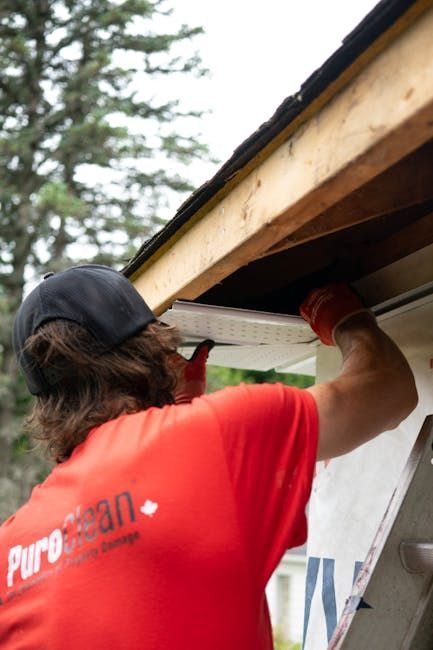
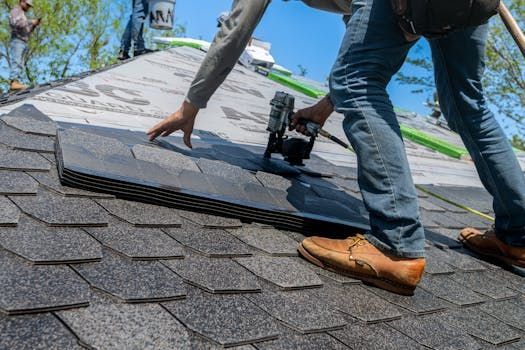
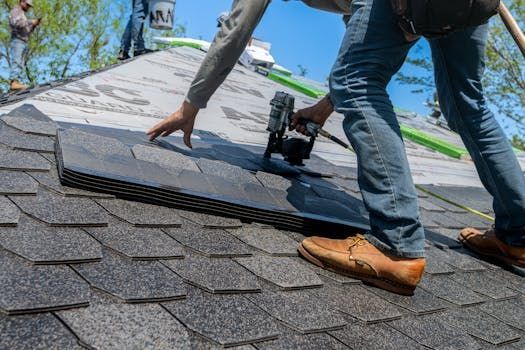
A shingle is only as good as the crew that puts it on. Improper nailing — too high, too low, overdriven, underdriven — voids warranties and causes premature failure. Bad flashing around chimneys, skylights, and walls lets water in. Skipping ice and water shield in the valleys and at the eaves is asking for trouble in Minnesota.
This is why choosing the right contractor matters more than choosing the right shingle.
3. Shingle Quality
Not all architectural shingles are the same weight or thickness. A Malarkey Vista AR has more asphalt and a rubberized SBS polymer modifier that makes it more flexible in cold weather. A budget shingle from a big-box store might look similar but weighs less and uses cheaper materials. You get what you pay for — and in Minnesota, cheap shingles show their age fast.
4. Roof Slope and Sun Exposure
Steep roofs shed water and snow faster, which generally means longer life. Low-slope sections hold moisture and debris longer. South- and west-facing slopes take the most UV punishment and typically age faster than north-facing slopes on the same house. It's not unusual for the south side of a roof to need replacement while the north side still looks decent.
5. Maintenance (or Lack of It)
Clogged gutters back water up under the shingle edges. Overhanging tree branches scrape granules off. Moss and algae growth traps moisture. None of this means your roof is "bad" — but ignoring it takes years off the lifespan. A quick annual inspection and gutter cleaning goes a long way.
When to Repair vs. When to Replace
Repair makes sense when: You have isolated damage (a few blown-off shingles, a localized leak around a pipe boot, flashing failure at a wall). The rest of the roof is in good shape and has 10+ years of life left.
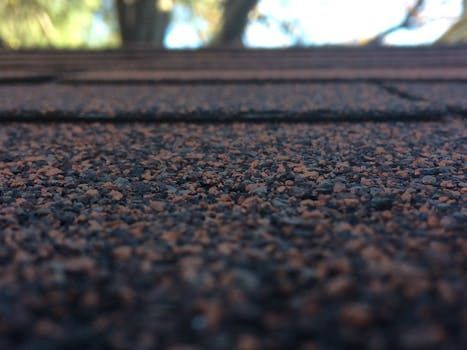
Replace makes sense when: Damage is widespread, shingles are curling or cracking across the whole roof, granule loss is heavy (check your gutters — if they're full of black grit, that's your roof wearing away), or the roof is approaching 20+ years and you're starting to chase multiple leaks.
Storm damage is a special case. If hail or wind hits your roof, get a professional inspection before deciding anything. Storm damage is often covered by insurance, which changes the repair-vs-replace math completely. We've helped hundreds of Twin Cities homeowners navigate insurance claims after storm damage.
How to Check Your Roof's Age
If you don't know when your roof was installed:
Pull your home's building permit records from your city. Minnetonka, Plymouth, Eden Prairie, and most Twin Cities suburbs have them online. Look for a roofing permit — that'll give you the year.
Check your home inspection report from when you bought the house. The inspector should have estimated the roof's age and remaining life.
Ask us. During a free inspection, we can usually estimate the age within a few years based on the shingle product, condition, and weathering pattern.
The Bottom Line
A well-installed architectural shingle roof in Minnesota should give you 20–25 real-world years. Impact-resistant shingles push that to 25–30. Premium synthetics and metal can go 40+.
But those numbers assume good ventilation, proper installation, and basic maintenance. Skip any of those and you'll be shopping for a new roof sooner than you planned.
If your roof is 15+ years old and you're starting to wonder, give us a call. We'll come out, take a look, and tell you honestly how much life is left — no charge, no pressure.