Ice Dam Prevention: What Actually Works in Minnesota (and What Doesn't)
Ice Dam Prevention: What Actually Works in Minnesota (and What Doesn't)
Every winter, we get calls from homeowners with water dripping through their ceilings. The culprit is almost always the same: ice dams. And the frustrating part is that most ice dams are completely preventable — if you understand what's actually causing them.
I've been roofing in the Twin Cities for over 20 years. I've seen every ice dam "solution" on the market, and most of them treat the symptom instead of the cause. Here's what actually works, what's a waste of money, and what you should do before next winter.
What Causes Ice Dams (It's Not What Most People Think)
Most homeowners blame Minnesota winters. Cold weather doesn't cause ice dams. Your attic does.
Here's what's actually happening: heat escapes from your living space into the attic. That heat warms the roof deck, which melts the snow sitting on top. The meltwater runs down the roof toward the eaves — the overhang part that extends past your exterior walls. The eaves are cold because there's no heated space below them. The water hits the cold eaves, refreezes, and starts building up a ridge of ice.
As more meltwater hits that ice ridge, it pools behind it. Now you've got standing water on your roof, and it starts working its way under the shingles, through the decking, and into your house.
The root cause is always the same: too much heat getting into the attic. Fix that, and ice dams stop.
Prevention Methods That Actually Work
1. Fix Your Attic Insulation
This is the single most effective ice dam prevention measure. If your attic floor doesn't have enough insulation — or if the insulation has gaps, compressed spots, or is missing around penetrations — heat from your living space is pouring into the attic.
Minnesota building code calls for R-49 attic insulation (roughly 16 inches of blown cellulose or fiberglass). Older homes often have R-19 or less. Bringing your attic up to code keeps the heat in your house and off the roof.
Pay special attention to these common problem spots: around recessed lights that penetrate the ceiling, at the tops of interior walls where drywall meets the attic floor, around bathroom exhaust fans, and where ductwork runs through the attic. These are the spots where air sealing matters as much as insulation depth.
2. Improve Attic Ventilation
Even with good insulation, some heat will reach the attic. Proper ventilation flushes it out before it can warm the roof deck.
A balanced ventilation system means intake air coming in through your soffit vents and exhaust air going out through a ridge vent at the peak. The cold outside air flows under the roof deck, keeping it cold, and pushes warm attic air out the top.
Common ventilation problems we see in Twin Cities homes: soffit vents blocked by insulation that's been shoved into the eaves, no ridge vent (just a couple of box vents that don't move enough air), bathroom exhaust fans venting into the attic instead of outside (this pumps warm, moist air directly onto the underside of your roof deck — terrible for ice dams and for mold).
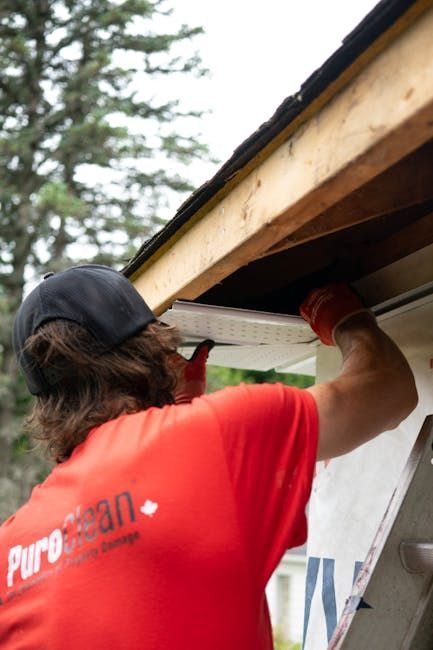
If your soffits are solid aluminum with no perforations, they're not venting anything. We install vented soffit panels as part of our soffit and fascia work — it's one of the most impactful upgrades you can make.
3. Air Sealing the Attic Floor
This is the step that gets skipped most often, and it might be the most important one. Insulation slows heat transfer, but air leaks bypass it entirely. A single unsealed gap around a plumbing stack or electrical chase can pump enough warm air into the attic to create ice dams on an otherwise well-insulated roof.
Common air leaks to seal: tops of interior partition walls (the gap between the drywall and the framing), plumbing and electrical penetrations, attic hatches and pull-down stairs (these are almost never sealed properly), recessed lighting cans (if they're not IC-rated, they need to be replaced or covered with air-tight boxes).
4. Ice and Water Shield During Roof Replacement
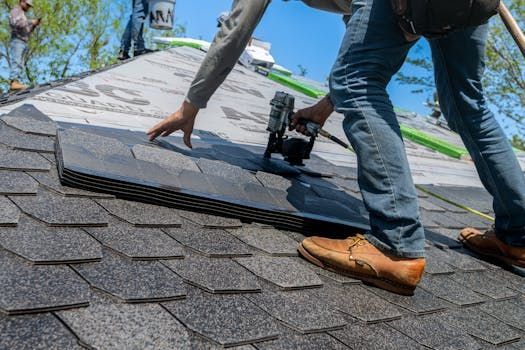
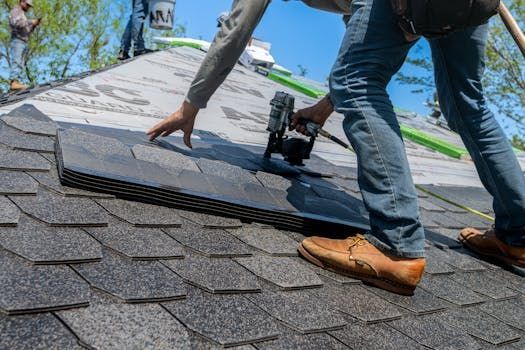
If you're getting a new roof , ice and water shield is your last line of defense. It's a self-adhesive membrane that goes on the roof deck before the shingles. Minnesota code requires it on the first 24 inches past the exterior wall line, but we always run it at least 3 feet up from the eaves and in all valleys.
Ice and water shield doesn't prevent ice dams — it prevents ice dams from causing leaks. When water backs up under the shingles, the membrane seals around the nail penetrations and keeps the water out. It's insurance, not prevention, but it's absolutely worth it.
Prevention Methods That DON'T Work (or Aren't Worth It)
Heat Cables (Roof De-Icing Cables)
Those zigzag cables you see on roofs? They create channels for meltwater to drain through. Sometimes they work. Usually they just move the ice dam to a different spot on the roof. They also cost $100–$400 per year in electricity, they look terrible, and they're treating the symptom (ice at the eaves) while ignoring the cause (warm attic).
If your ice dams are so bad that you're considering heat cables, you need insulation and ventilation work — not more electricity.
Roof Raking
Pulling snow off your roof with a roof rake can help in the short term — less snow means less meltwater means less ice. But you have to do it after every snowfall, you can damage shingles if you're not careful, and it's physically demanding. It's a band-aid, not a fix.
Salt Pucks and Calcium Chloride
Filling a pantyhose leg with calcium chloride and tossing it on the ice ridge? It'll melt a channel through the dam temporarily. It can also stain your roof, corrode your gutters, and kill the plants below your roofline. And you'll be doing it again after the next snowfall. Not a real solution.
"Ice Dam Prevention" Coatings and Sprays
There are products marketed as coatings you spray on your roof to prevent ice. Save your money. If your attic is dumping heat onto the roof deck, no coating is going to stop ice from forming.
What About Gutters and Ice Dams?
A common question: do gutters cause ice dams?
No. Gutters don't cause ice dams. But they can make them worse. When gutters fill with ice, they create a bigger ledge for ice to build on, and the weight can pull them right off your fascia. We see this every spring — homeowners calling about gutters that are sagging or torn off after a bad ice dam winter.
Gutter guards don't prevent ice dams either. The ice forms on the roof above the gutter, not in the gutter itself. But clean, properly pitched gutters with adequate downspouts help manage meltwater during the thaw cycles between storms, which reduces the water available to refreeze.
If your gutters are pulling away from the house every winter, the solution isn't stronger gutters — it's fixing the ice dam at the source.
What to Do If You Already Have Ice Dams
If you're reading this mid-winter with water coming in your ceiling, here's the immediate playbook:
Don't hack at the ice with a hammer or axe. You'll damage your shingles and possibly your roof deck.
Call a professional ice dam removal service. They use low-pressure steam to melt the ice without damaging the roof. It's not cheap ($300–$600 per visit is typical in the Twin Cities), but it stops the leak.
Manage the water inside. Put a bucket under the drip. If water is pooling in the ceiling, poke a small hole to let it drain into a bucket rather than letting the weight build up and collapse the drywall.
Plan the real fix for spring. Once the snow melts, get your attic inspected for insulation and ventilation issues. That's when you solve the actual problem.
If the ice dams are bad enough that they've damaged your roof, your homeowners insurance may cover repairs. Ice dam damage is typically covered as a "sudden and accidental" event, though policies vary.
The Real Fix: A Checklist for Next Winter
If you want to prevent ice dams for good, here's the order of operations:
First: Get an energy audit. Many Minnesota utilities offer free or subsidized audits. They'll identify where heat is leaking into your attic and recommend fixes.
Second: Air seal the attic floor. Seal every penetration, gap, and chase between your living space and the attic.
Third: Add insulation to R-49. Blown-in cellulose or fiberglass over the sealed attic floor.
Fourth: Fix ventilation. Make sure soffit vents are open and unblocked, install a continuous ridge vent if you don't have one, and verify that bath fans vent outside — not into the attic.
Fifth: When your roof needs replacement, make sure ice and water shield goes on properly and your contractor addresses any ventilation deficiencies at the same time.
The cost for the full package (air sealing, insulation, ventilation) typically runs $2,000–$5,000 for an average Twin Cities home. Compare that to $500+ per year in ice dam removal, drywall repairs, and the eventual storm damage claim when things get bad enough. The prevention side pays for itself fast.
We Can Help With the Roof Side
We're not insulation contractors, but we handle the roof and exterior side of ice dam prevention every day. Soffit and fascia replacement with proper vented panels, ridge vent installation, ice and water shield during reroofs, and gutter systems that hold up to Minnesota winters — that's what we do.
If your roof is showing signs of ice dam damage — staining on the fascia, shingle deterioration at the eaves, or gutters pulling away — give us a call. We'll take a look and help you figure out the right fix.