How to File a Roof Insurance Claim After Storm Damage (Step by Step)
How to File a Roof Insurance Claim After Storm Damage
A bad storm rolls through the Twin Cities, and now you're staring at your roof wondering if it's damaged. Maybe you can see missing shingles from the ground. Maybe your neighbor already has a contractor's truck in the driveway. Maybe you just heard the hail hit and you know it was big.
What do you do now?
I've walked homeowners through over a thousand insurance claims across the Twin Cities. The process isn't complicated, but there are specific steps you need to follow — and common mistakes that can cost you thousands or get your claim denied entirely.
Here's exactly how to handle it.
Step 1: Document the Storm (Before You Do Anything Else)
Before you call your insurance company, before you call a contractor, document what happened.
Check the date and time of the storm. Your insurance company will verify this against weather data. If you're filing a claim for hail damage, they'll check whether hail was actually reported in your area on that date.
Take photos from the ground. Walk around your house and photograph any visible damage — missing shingles, dented gutters, cracked siding, broken screens, dented outdoor AC units. Don't get on the roof yourself. Just document what you can see safely.
Check with neighbors. If they have damage, that strengthens your case. Multiple claims on the same street from the same storm helps adjusters verify the event.
Save any weather alerts or news reports. A screenshot of a severe weather warning or local news hail report is useful documentation.
Step 2: Call Your Insurance Company
File your claim sooner rather than later. Most Minnesota homeowners policies require you to file within a "reasonable time" after discovering damage. Waiting months makes the process harder and gives the insurance company reasons to question the timeline.
When you call, you'll need: your policy number, the date of the storm, and a general description of the damage. They'll assign a claim number and schedule an adjuster visit.
One thing to know: filing a claim does NOT automatically raise your rates. In Minnesota, insurance companies can't surcharge you for weather-related claims (hail, wind, etc.) the same way they might for an at-fault car accident. If a storm damaged your roof, that's what insurance is for. Don't let rate fear stop you from filing a legitimate claim.
Step 3: Get a Professional Roof Inspection
This is the step that makes or breaks most claims. You need a professional inspection BEFORE the adjuster shows up.
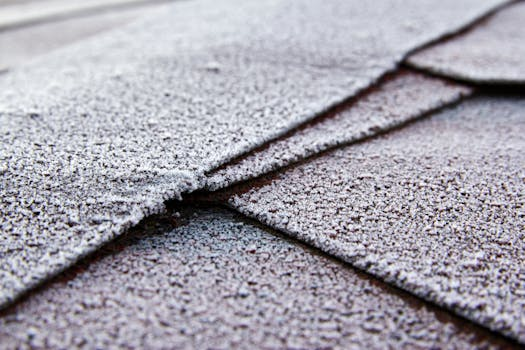
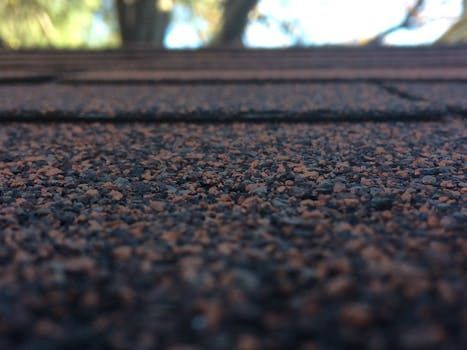
Why? Because insurance adjusters are evaluating damage from the insurance company's perspective. They're not trying to screw you, but their job is to assess what's there — and if damage is hard to spot (like hail hits on asphalt shingles ), an untrained eye can miss it.
What you want is someone who gets on the roof and checks every slope — not just a ground-level look. Hail only hits certain faces of the roof depending on storm direction, so a ground-only inspection misses most of it. They should be taking close-up photos of individual hail hits, wide shots showing damage patterns, and documenting collateral damage on gutters, vents, and siding. And they should give you a written report you can hand to the adjuster. That's your evidence.
Tip: Choose a contractor who has experience working with insurance companies. Not every roofer knows how the claims process works. You want someone who can meet the adjuster on the roof and walk them through the findings professionally. That's a normal and expected part of the process — it's not adversarial.
Step 4: The Adjuster Visit
The insurance company will send an adjuster to inspect the damage. This usually happens within 1–3 weeks of filing. Here's what to expect:
Be there when the adjuster shows up. Or have your contractor there. You want someone who can walk them to the damage and point things out — it makes a difference.
The adjuster will inspect the roof, siding, gutters, and any other areas you reported. They're looking for storm-related damage specifically. Normal wear and tear is not covered.
They'll write an estimate. This is the insurance company's initial scope and cost assessment for repairs. It might be spot-on, or it might miss items — that's where having your own contractor's inspection matters.
If the adjuster misses damage, your contractor can submit a supplement. This is a formal request for additional items to be added to the claim. Supplements are common and normal — they're not a fight. It's just getting the scope right.
Step 5: Review the Settlement
After the adjuster's inspection, your insurance company will send a settlement letter. There are a few things to understand:
How the payout works. Your policy probably says "Replacement Cost Value" (RCV), which means the insurance company pays to replace the damaged stuff with new. But here's the catch — they usually split the payment. First check covers the replacement cost minus depreciation (what your roof has lost in value over the years). The rest comes after you finish repairs. On a 15-year-old roof, that second check can be 30–40% of the total. So don't panic when the first payment looks low — there's more coming once the work is done.
Your deductible. This comes out of the settlement. If your deductible is $1,500 and the claim total is $12,000, you get $10,500. Your contractor should not be "covering" your deductible — that's insurance fraud and it's illegal in Minnesota.
Don't sign anything you don't understand. If the settlement amount seems low, have your contractor review it before you accept. You have the right to dispute or supplement.
For a deeper dive on what's covered and what's not, check out our guide on whether homeowners insurance covers roof replacement.
Step 6: Get the Work Done
Once the claim is settled:
Choose your contractor. Your insurance company cannot tell you who to hire. That's your choice. Pick a licensed, insured Minnesota contractor with a real office, not a storm chaser who showed up at your door after the hail.
Get a detailed contract. It should spell out the scope of work, materials, timeline, and how payment is handled relative to the insurance claim.
Complete the repairs. Your contractor does the work, and you pay with the insurance proceeds. Once complete, the insurance company releases the depreciation holdback (if applicable). Some mortgage companies require an inspection before releasing funds from escrow — your contractor should know how to navigate this.
Mistakes That Get Claims Denied or Underpaid
I've seen all of these. Don't be the homeowner who learns the hard way.
Waiting too long to file. If you wait a year after the storm, the insurance company will question whether the damage is really from that event. File promptly.
Not getting a professional inspection. The adjuster may miss damage — especially hail damage , which requires close-up inspection to identify on many shingle types. Without your own contractor's findings, you have no basis to supplement.
Signing a contract with a storm chaser before filing. Some door-knockers will pressure you to sign a contract immediately after a storm, often with an "assignment of benefits" clause that gives them control of your claim. Read everything before you sign. A reputable contractor doesn't need you to sign before the insurance process even starts.
Making permanent repairs before the adjuster visits. Emergency tarping is fine — the insurance company expects that. But don't replace the roof before the adjuster sees the damage. Once it's gone, it's gone, and the insurance company has nothing to inspect.
Accepting the first estimate without review. The adjuster's initial estimate is a starting point, not a final offer. If it doesn't cover the full scope of damage, your contractor can submit a supplement with documentation. This happens on roughly half the claims we work.
What About Wind Damage Claims?
Wind damage follows the same process, but the damage looks different. Instead of hail bruises across the shingles, you're looking for lifted, creased, or missing shingles — often concentrated on the windward face of the roof.
Wind damage is sometimes harder to prove because it can look similar to age-related wear. Having a contractor who knows the difference — and can document it clearly for the adjuster — makes a big difference in the outcome.
We Handle This Every Week
Insurance claims are a regular part of what we do at Modern Exterior Systems. We're not one of those outfits that rolls in after a hailstorm and disappears — we've been in Minnetonka for over 20 years and we'll be here long after the claim is settled.
We handle the inspection, meet the adjuster, submit supplements when needed, and coordinate the repair. You don't have to manage the process yourself.
If a storm hit your area and you think you might have damage, schedule a free inspection. We'll tell you honestly whether you have a claim worth filing — and if you don't, we'll tell you that too.