Asphalt Roof Repair: Common Issues, Costs, and DIY vs. Pro
Asphalt shingles cover roughly 80% of homes in the United States, and that number is even higher in the Twin Cities metro. They're affordable, versatile, and come in dozens of colors and styles. But Minnesota weather is hard on any roofing material, and asphalt shingles eventually need repair — whether from storm damage, normal aging, or poor original installation.
This guide covers the most common asphalt roof repair issues we see in Minnesota, what repairs typically cost, and how to know when you need a few patches versus a full replacement.
Common Asphalt Shingle Roof Problems in Minnesota
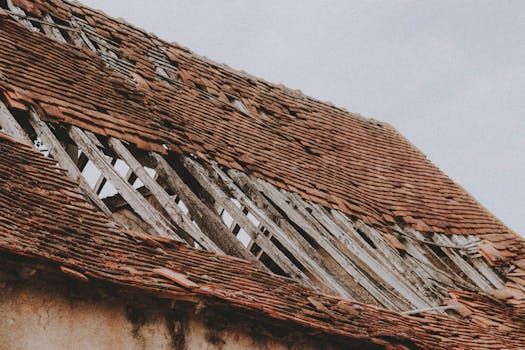
Missing shingles: This is the most obvious problem and usually the result of high winds. Shingles are designed with adhesive strips that bond each tab to the one below it. When that seal fails — from age, improper installation, or wind uplift — shingles can blow off entirely. If you find shingles in your yard after a storm, you know you have an issue.
Cracked or broken shingles: Temperature swings are the main culprit here. Minnesota can see 100°F temperature swings between summer and winter, and that thermal cycling causes shingles to expand and contract repeatedly. Over time, this causes cracking. You'll typically see cracks running horizontally across shingle tabs.
Curling and buckling: Curling happens in two ways — cupping (edges turn upward) and clawing (center humps up while edges stay flat). Both indicate the shingle is aging out. Buckling creates a visible wave or ridge in the shingle surface, usually caused by moisture in the underlayment or movement in the roof deck.
Granule loss: Those rough granules on your shingles aren't just for looks — they protect the asphalt from UV damage. When granules start shedding excessively (you'll see them accumulating in gutters), the exposed asphalt deteriorates rapidly. Some granule loss is normal in the first year after installation, but heavy shedding on an established roof means it's reaching end of life.
Ice dam damage: This is a uniquely Minnesota problem. When heat escapes through the attic, it melts snow on the upper roof. That meltwater runs down to the cold eaves, refreezes, and creates an ice dam. Water backs up behind the dam and works its way under shingles, causing leaks, rotted decking, and damaged insulation. If your home gets ice dams regularly, the solution is usually improved attic insulation and ventilation — not just roof repair.
Flashing leaks: The metal flashing around chimneys, vents, skylights, and valleys is a common leak source. The flashing itself may be fine, but the sealant and caulk around it degrades over time. This is one of the most common — and most fixable — causes of roof leaks.
How Much Does Asphalt Roof Repair Cost?
Here are typical repair costs in the Twin Cities market as of 2025–2026:
Replacing a few missing shingles:
$150–$400 (including a service call)
Repairing a small section (up to 100 sq ft):
$300–$700
Flashing repair or replacement:
$200–$600
Valley repair:
$400–$1,000
Pipe boot replacement:
$150–$350
Ridge cap repair:
$250–$600
Full roof replacement (average Twin Cities home):
$10,000–$20,000+
The wide range in replacement costs depends on roof size, pitch (steeper = more expensive), material grade, and the number of layers being removed. A 2,000 sq ft roof with a single tear-off and mid-grade CertainTeed or Owens Corning shingles typically lands in the $12,000–$16,000 range installed.
Can You DIY Asphalt Roof Repairs?
Some minor repairs are within reach for a handy homeowner, but there are important limitations:
What you can reasonably DIY: Replacing a single blown-off shingle tab (if you have matching spares and are comfortable on a ladder), applying roofing cement to a small crack, or clearing debris from valleys and gutters.
What you should NOT DIY: Anything that requires walking on the roof, any repair near a penetration or flashing point, anything involving multiple shingles, or any repair on a steep-pitch roof. Roof work is genuinely dangerous — it's the number one cause of fatal falls in the construction industry. And an improper repair can void your warranty and cause more damage than the original problem.
There's also the insurance factor. If you need to file a claim later, insurance companies want to see professional documentation. A DIY patch job can complicate your claim if the problem gets worse.
Our honest recommendation: unless it's a single tab replacement on a walkable-pitch roof, call a professional. The labor cost for a small repair is minimal compared to the risk of doing it wrong.
When Should You Repair vs. Replace?
Repair makes sense when: The damage is isolated to a small area, the rest of the roof is in good condition, and the roof is under 15 years old. If a storm blew off a section of shingles but the remaining roof is solid, repair is the right call.
Replacement makes sense when: The roof is 20+ years old, you're seeing widespread issues (curling, granule loss, multiple leak points), the decking is soft or damaged, or you're facing your second or third major repair in a few years. At some point, you're spending repair money on a roof that's going to keep failing.
A good rule of thumb: if repair costs would exceed 25–30% of replacement cost, and the roof is past its midpoint life expectancy, replacement is the better investment. You get a new warranty, better materials, and the peace of mind that comes with knowing your home is protected.
How Minnesota Weather Affects Asphalt Shingle Lifespan
Manufacturer warranties on asphalt shingles quote 25, 30, or even 50 years. But those numbers assume average national conditions. Minnesota is not average.
Our freeze-thaw cycles, ice dams, high winds, hail, and UV exposure during long summer days all accelerate wear. Realistically, a standard 3-tab shingle in Minnesota lasts 15–20 years. Architectural (dimensional) shingles do better — 20–30 years. Premium shingles like CertainTeed Landmark Pro or Owens Corning Duration can push 25–35 years with proper ventilation and maintenance.
The single biggest factor in shingle lifespan? Attic ventilation. A properly ventilated attic keeps roof deck temperatures consistent, reduces ice damming, and prevents moisture buildup that accelerates shingle deterioration from below. If your attic is poorly ventilated, even the best shingles will underperform.
What to Look for in a Roof Repair Contractor
Choosing the right contractor matters as much as the repair itself. Here's what to look for:
Minnesota contractor license:
Required by state law. Ask for the license number and verify it.
Liability insurance and workers' comp:
Protects you if something goes wrong on the job.
Manufacturer certifications:
CertainTeed ShingleMaster, Owens Corning Preferred, or GAF Master Elite certification means the contractor has been trained and vetted by the manufacturer.
Local presence:
A company headquartered in your area has a reputation to protect. Storm chasers from out of state disappear after they cash the check.
Written estimates:
Itemized, detailed, and provided before work begins. No surprises.
At Modern Exterior Systems, we're CertainTeed ShingleMaster certified, BBB A+ rated, and based right here in Minnetonka. If your asphalt roof needs attention, call (952) 206-6339 for a free inspection. We'll tell you exactly what it needs — repair, replacement, or nothing at all.