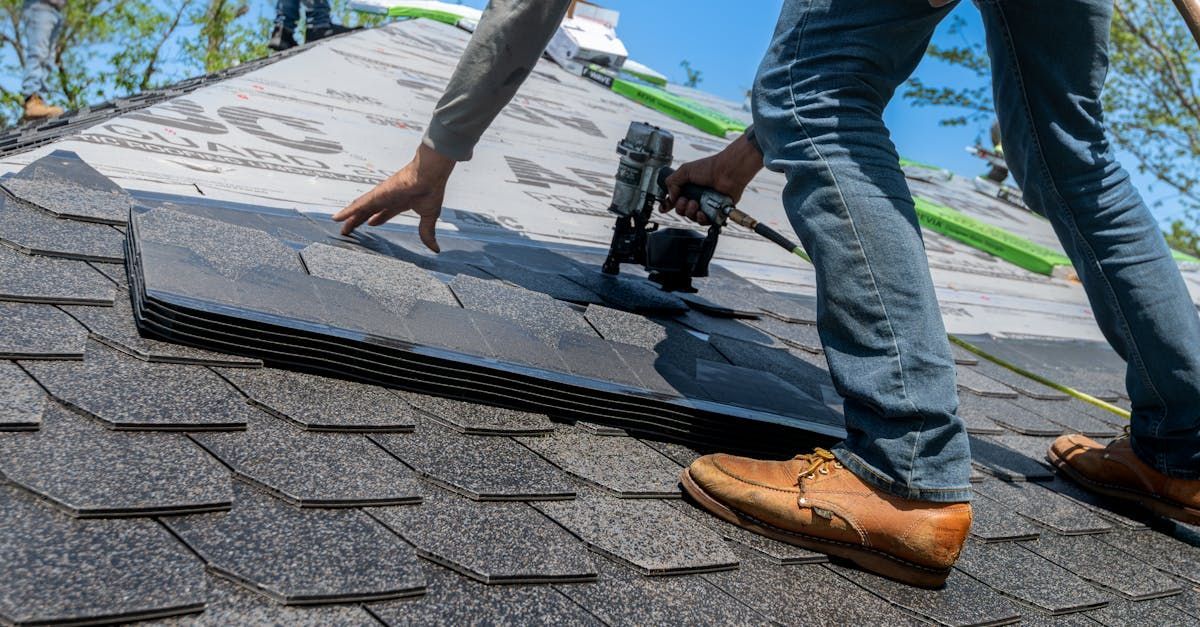
Asphalt Roof Repair: Common Issues, Costs, and DIY vs. Pro
Spring hits Minnesota and my phone lights up. Same conversation every year: "My roof's leaking. Should I just patch it myself?" I get it--you want to save money. But I've spent the last two decades cleaning up DIY roof repairs that went sideways, and I'm here to tell you: nine times out of ten, the patch makes it worse.
Let me walk you through what actually happens up there, what it costs, and when you can probably handle it yourself (spoiler: not often).
The Three Types of Asphalt Roof Damage
Shingle Damage: Curling, Cracking, Missing
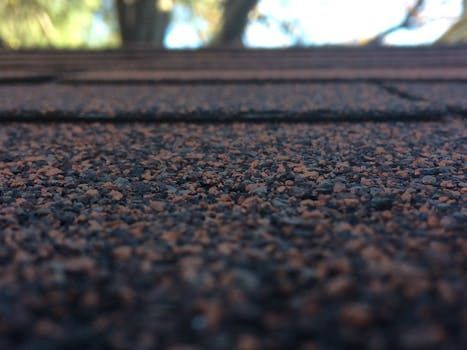
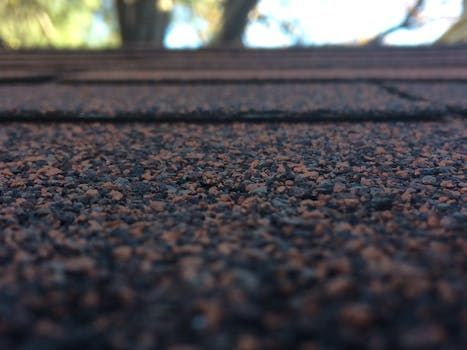
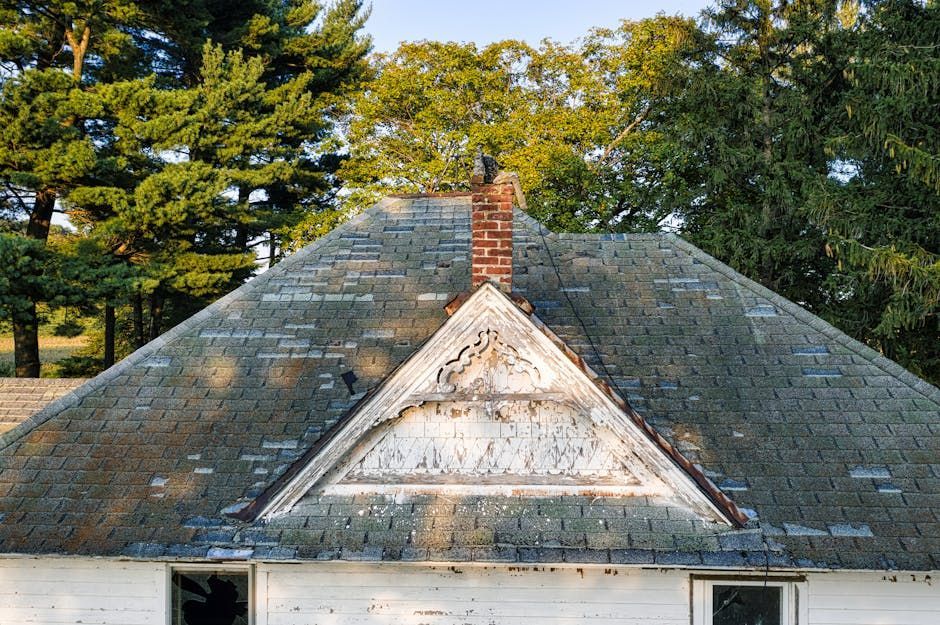
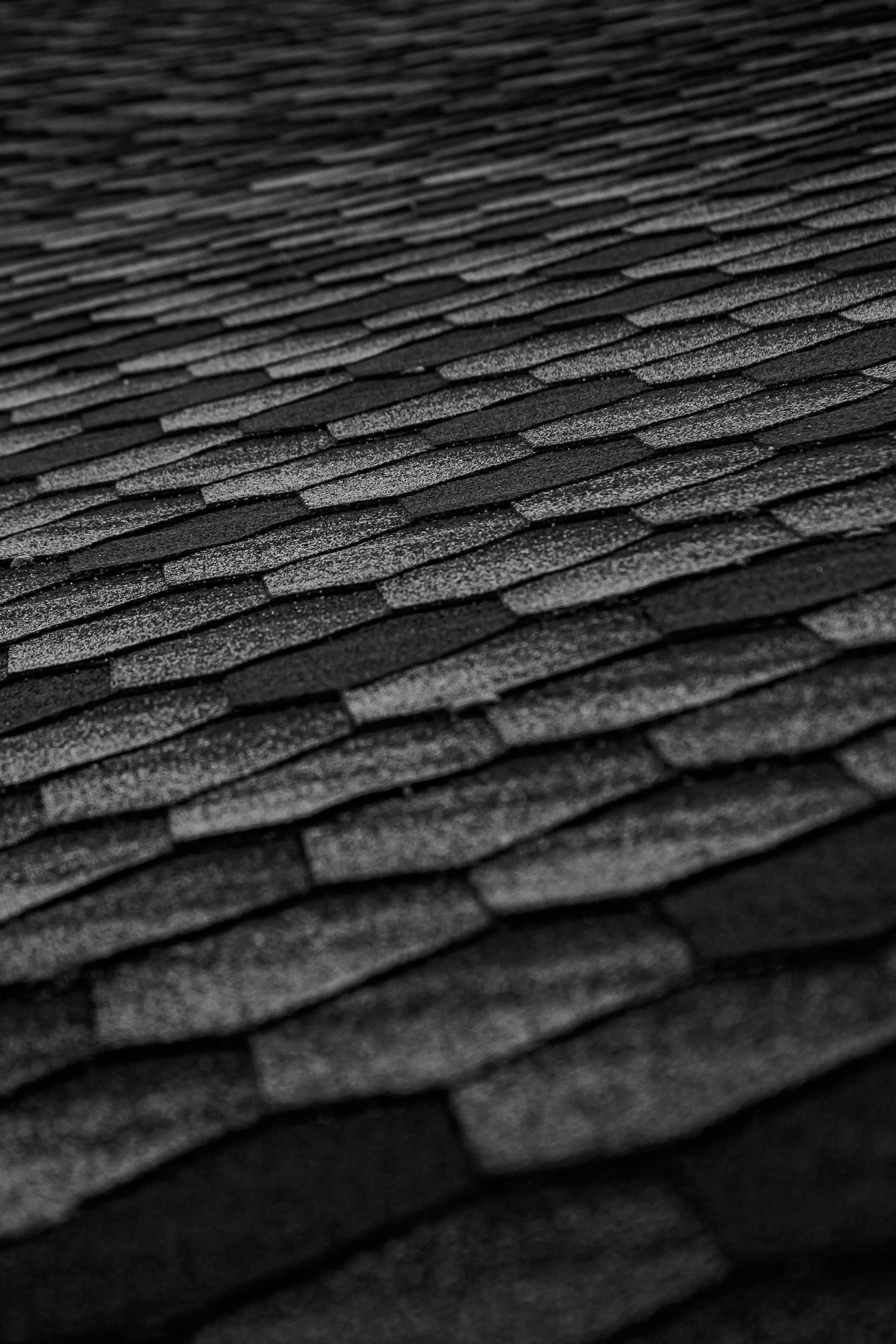
Asphalt shingles are flexible, but Minnesota winters are brutal. Repeated freeze-thaw cycles crack them. Ice dams force water under the shingles. Hail dents them. Wind curls them. Sometimes they just blow off.
A few curled or cracked shingles aren't an emergency. But if you've got more than 10-15% of your roof showing damage, you're looking at a replacement, not a repair. Patching individual shingles buys you maybe 6 months to a year of peace before water finds another weak spot.
Flashing Failure
Flashing is the thin metal (usually aluminum) that sits at transitions: valleys, chimneys, vents, wall-to-roof intersections. Water loves to sneak under bad flashing. Rust, gaps, and poor installation cause 90% of roof leaks I encounter--not the shingles themselves.
Flashing repair requires removing and re-securing metal while sealing carefully. Most DIYers don't have the right tools or caulk know-how, so they end up creating a new leak or accelerating rust on existing flashing.
Membrane Separation
Your roof has layers: shingles on top, then underlayment (asphalt-saturated felt or synthetic), then decking. If water gets between layers, it sits there. Damage doesn't always show on the surface. You find out during heavy rain when it starts dripping in your attic.
Membrane separation is almost always a professional job. You can't diagnose it from the ground, and you can't fix it without removing the entire roof in that section.
Common Asphalt Roof Problems: Cost Breakdown
Leaking Around a Vent or Chimney
Cost if you DIY: $50-150 for sealant, roofing cement, maybe new flashing if you're lucky.
Cost if it goes wrong: $2,000-4,000 when you have to replace your roof three years early because you sealed water under the shingles.
Cost if you hire a pro: $300-600. Guaranteed repair, replacement of flashing if needed, proper waterproofing.
My take: Hire a pro for this one. It looks simple until it's not.
A Few Missing Shingles (Wind Damage)
Cost if you DIY: $100-300 for replacement shingles plus nails and cement.
Cost if it goes wrong: $50-100 more in shingles the next time wind hits, because your new shingles don't match the weathered ones, so water finds gaps.
Cost if you hire a pro: $200-500 to match the age of surrounding shingles and install them correctly.
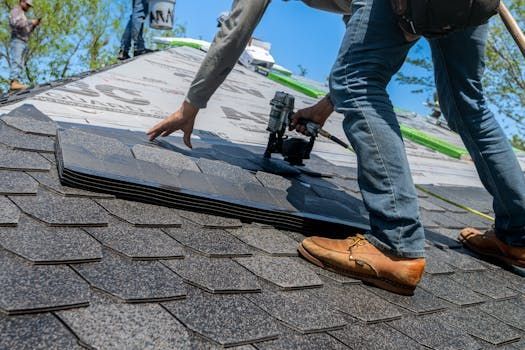
My take: This is the one DIY repair where I sometimes say "yeah, you can handle it" -- but only if you're comfortable on a ladder and your roof pitch isn't steep. Use roofing cement under nails, overlap correctly, and match shingle color as closely as possible.
Curled or Cracked Shingles (Age or Weather)
Cost if you DIY: $50-150 per shingle to cut out and replace a few problem areas.
Cost if it goes wrong: $100-200 when you realize you didn't seal the edges, and now water's creeping under several other shingles.
Cost if you hire a pro: $150-300 per repair area, or suggest replacing the roof if more than 15% is damaged.
My take: A handful of isolated cracks? I'd call a pro for a free inspection. They'll tell you if you're in "patch mode" or "replacement planning" territory. That information is worth the phone call.
Ice Dam Damage (Winter Specific)
Ice dams push water up under your shingles. Once the ice melts, water leaks into your attic or down your walls. The shingles themselves might be fine--it's the barrier underneath that's compromised.
Cost if you DIY: $0 to $500, depending on how much sealant you throw at it. Probably won't work.
Cost if it goes wrong: $5,000-15,000 to repair water damage inside your home.
Cost if you hire a pro: $500-2,000 for emergency removal and temporary weatherproofing, plus a longer-term conversation about ice dams (ventilation, insulation, heated cables, gutter systems).
My take: Call a pro immediately. Do not wait. Water damage gets exponentially more expensive the longer it sits.
DIY vs. Pro: The Real Decision Matrix
| Situation | DIY | Pro Call |
|---|---|---|
| 1-3 missing shingles, low pitch, recent storm | Safe bet | Optional |
| 5+ missing shingles, or high pitch/steep roof | Not safe | Essential |
| Vent or flashing leak | High risk | Essential |
| Suspected membrane separation | Impossible | Essential |
| Ice dam or active leak | Emergency | Essential |
| More than 15% roof damage visible | Patch now, replace soon | Essential |
Here's the hard truth: if you're asking whether to DIY, you probably shouldn't. People who know roofing don't ask. They just get a ladder and do it or call someone they trust.
Why Professionals Charge What They Charge
Let me demystify pricing. Roof repair labor in Minnesota runs $150-300 per hour for an experienced crew. A single vent flashing repair takes 45 minutes to 2 hours (remove shingles, inspect framing, replace flashing, reseal, replace and nail shingles, clean up). Materials are another $75-150.
So yeah, $400-600 sounds expensive if you're thinking about $30 in roofing cement. But you're paying for someone who won't accidentally drive a nail through the vent boot, won't seal water under the shingles, and will guarantee the work. That matters.
Seasonal Timing Matters
Spring and fall are prime roof repair seasons in Minnesota. Summer works too, but winter is harsh. Cold caulk doesn't adhere well. Ice and snow make ladders sketchy. If you can defer a repair until March or September, do it.
Emergency leaks (ice dams, storm damage) are different. Those you fix immediately, even in December.
Maintenance That Prevents Repairs
Most roof problems are preventable with basic maintenance:
- Clean gutters twice a year (spring and fall). Leaves dam water, which backs up under shingles.
- Trim branches hanging over the roof. Debris piles up; moss grows; shingles deteriorate.
- Check your attic after storms. Look for water stains on rafter underside. Catch leaks early.
- Have a pro inspect after major wind or hail. Small problems compound.
These four things cost you an afternoon (gutters) and maybe $300-500 once a year (pro inspection). They'll extend your roof's life by five years or more.
FAQ
How long does a DIY patch actually last?
Three months to two years, depending on the repair. Most fail in the first hard rain or freeze-thaw cycle because the seal isn't right. Pro repairs last as long as the surrounding roof.
Should I just replace the whole roof if a few shingles are damaged?
Not automatically. If you've got 15% or less damage and your roof's under 20 years old, repairs make sense. If you're pushing 25+ years or the damage is widespread, replacement is probably smarter economics.
How do I know if a leak is from the roof or somewhere else?
Water always runs downhill inside walls. The stain you see might not be under the leak. Trace it upward. If it's hard to find, hire an inspector--there are infrared and moisture meter tricks that cost less than guessing.
Can you patch an asphalt roof in winter?
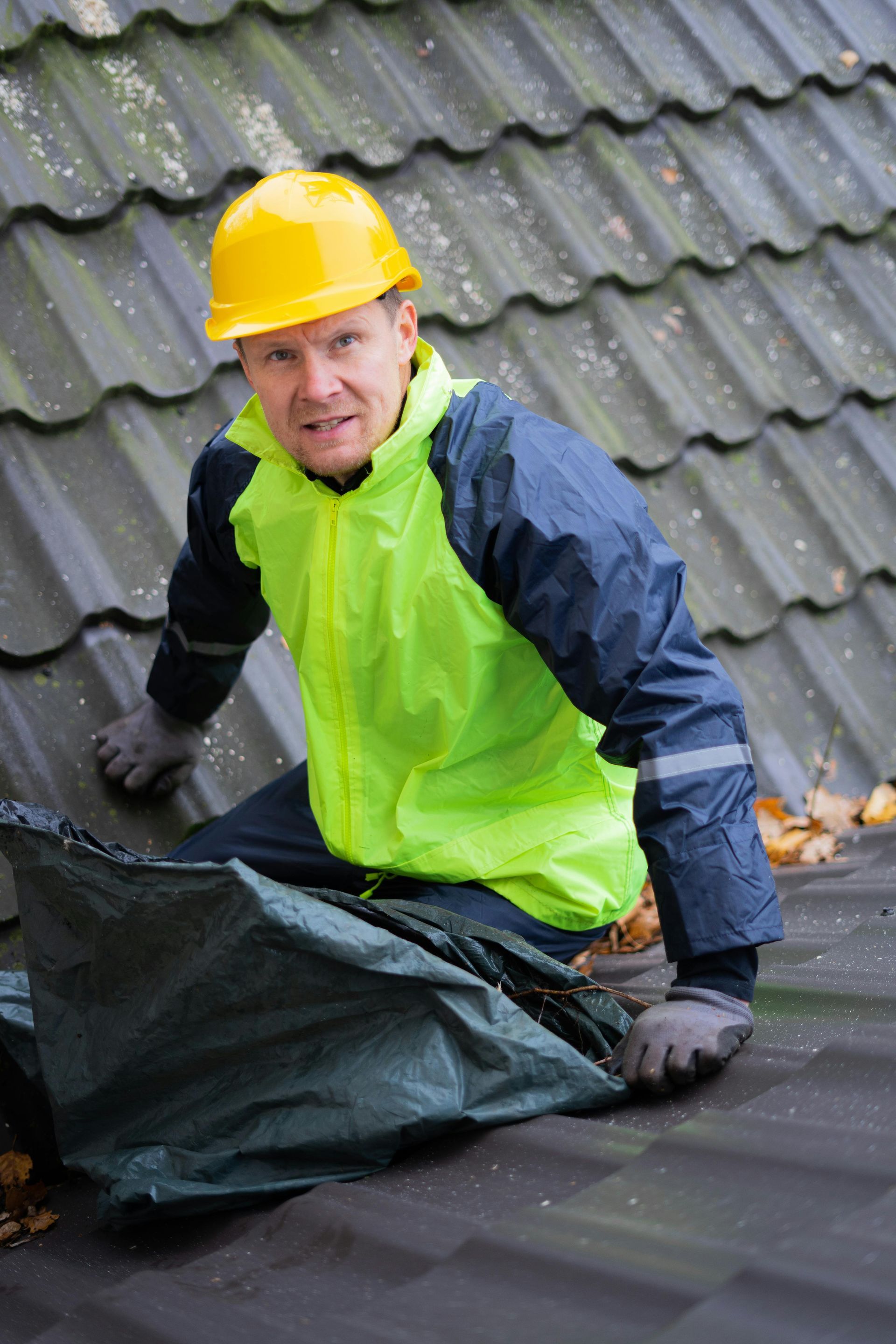
Not well. Caulk and roofing cement don't cure in cold weather. If you've got an emergency leak in January, cover it temporarily (tarp, boards) and do a proper repair in spring. That's the real answer.
What's the difference between your repair and a box-store patch kit?
Materials are similar. The difference is technique and warranty. A pro knows how to properly remove shingles without tearing the underlayment, knows the right overlap and nail placement, and guarantees the work. A patch kit is a gamble.