How Much Roofing Do I Need for My Square Footage House?
I've measured thousands of roofs across the Twin Cities, and one question comes up constantly: "How much material will I actually need?" It's not as simple as just knowing your house's square footage, and that's why so many folks get caught off guard by the real numbers.
Let me walk you through how to figure this out the right way.
Start With Your House Square Footage (But Know It's Not That Simple)
Your house square footage is a starting point, not the answer. A lot of homeowners think you just divide that by 100 and boom, you're done. Not even close.
Here's why: roofing material is sold in "squares." One square covers 100 square feet of a flat roof. The problem is, almost nobody has a flat roof in Minnesota. Your roof slopes, and that slope means you're actually covering way more area than your house footprint suggests.
If your house is 2,000 square feet, your roof might actually need materials for 2,500 to 3,500 square feet depending on the pitch. That's a huge difference when you're buying supplies.
The Real Factor: Roof Pitch
Pitch is the angle of your roof -- how steep it is. This is measured as "rise over run," usually shown as something like 6:12 (pronounced "six in twelve"). That means for every 12 inches horizontal, your roof goes up 6 inches.
Here's how pitch affects your material needs:
| Roof Pitch | Multiplier | Example: 2,000 sq ft House |
|-----------|-----------|---------------------------|
| 4:12 | 1.06 | ~2,120 sq ft |
| 6:12 | 1.12 | ~2,240 sq ft |
| 8:12 | 1.20 | ~2,400 sq ft |
| 10:12 | 1.30 | ~2,600 sq ft |
| 12:12 | 1.41 | ~2,820 sq ft |
A steep Minnesota roof (which is common) needs way more material than you'd think just looking at the footprint.
Don't Forget Waste Factor
Here's the part that gets most people: you can't just order exactly what the math says. Roofing requires cuts, valleys, ridges, and around chimneys and vents. There's overlap built into every shingle layout. A solid 10% waste factor is standard, and honestly, 15% isn't unreasonable if your roof has lots of angles and details.
So if your calculations show you need 24 squares, you're actually ordering 27 or 28 squares to account for waste and having extra for future repairs.
The Full Formula
1. Get your roof's actual measurements (not just house footprint)
2. Multiply by your pitch factor
3. Divide by 100 to get squares
4. Add 10-15% for waste
Or, if you want to skip the math entirely -- and I don't blame you -- measure your roof's footprint from eaves to ridge on each slope, multiply those together, do it for all roof planes, add 'em up, and multiply by your pitch factor.
Still sounds complicated? That's because it is, especially when your roof has dormers, different angles, or a bunch of penetrations.
Real-World Example
Let me give you an actual scenario I dealt with last month. A homeowner in Eden Prairie had what looked like a 2,200 sq ft house. His roof pitched at 8:12 with two dormers and a skylight.
- Actual measured roof area: 2,580 sq ft (pitch included)
- Waste factor (12%): 289 sq ft
- Total material needed: 28.7 squares (let's round up to 30)
He was expecting 22-24 squares based on his house size. The difference? About three bundles of shingles and the cost difference added up to over $300. Good thing we caught it before ordering.
Why This Matters Beyond Just Budget
Getting your measurements right isn't just about cost. If you order too little, you're stopping mid-project to order more (and you might get a different color lot, which affects appearance). If you're way over, you've got expensive materials sitting around.
For a residential roof, CertainTeed Presidential or Malarkey Emerald shingles (our go-to materials), one square runs roughly $150-250 depending on grade. That math adds up fast.
How to Actually Get Your Measurements
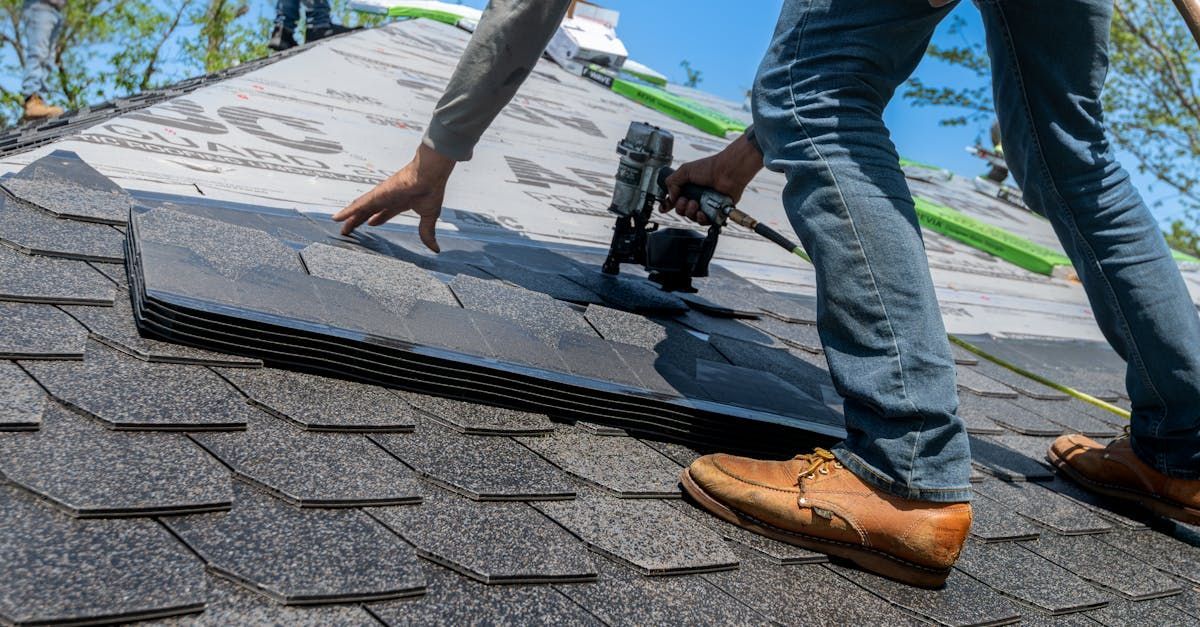
The safest way? Climb up (safely) or use a drone to get actual roof measurements. If climbing isn't your thing -- and for most homeowners, it shouldn't be -- a good roofing contractor can measure for you in about 30 minutes.
We do free measurements on roof replacement inquiries. No obligation, just accurate numbers so you know what you're dealing with.
The Takeaway
Don't assume your house square footage tells you anything about roofing material needs. Pitch, waste, and all those little details change the game completely. When you're ready to actually replace your roof, get a professional measurement. It's worth the peace of mind, and it keeps surprises off your bill.
Joe's Note
I've been doing this for over 20 years, and I still see homeowners shocked by how much roofing material their house actually needs. The pitch on Minnesota homes is steeper than most people realize, and that slope adds up. When you call for a quote, ask the contractor to walk you through their measurements. If they're guessing based on square footage alone, that's a red flag.
Need help calculating your roofing needs? Modern Exterior Systems is a women-owned, family-operated roofing and exterior contractor based in Eden Prairie, MN, serving the Twin Cities metro since 2007. Owner Joe Dvorak brings 20+ years of hands-on construction experience, CertainTeed ShingleMaster and Malarkey Emerald certifications, and a LIFETIME workmanship warranty to every residential project.
Call us for a free roof measurement and estimate: 952-206-6339
BBB Accredited with an A+ rating.